




Steel Silo Automation Systems
| Brand | Endüstriyel |
|---|---|
| Model Type |
E-EOY-003 |
Description
1. Introduction
Steel silos are large volume storage systems commonly used for storing bulk materials such as grains, flour, feed, sugar, and cement. Automation systems are used in modern industrial facilities to ensure the efficient and safe operation of these silos.
2. Purpose of Silo Automation
- Optimizing storage and transportation processes
- Reducing manual operation errors
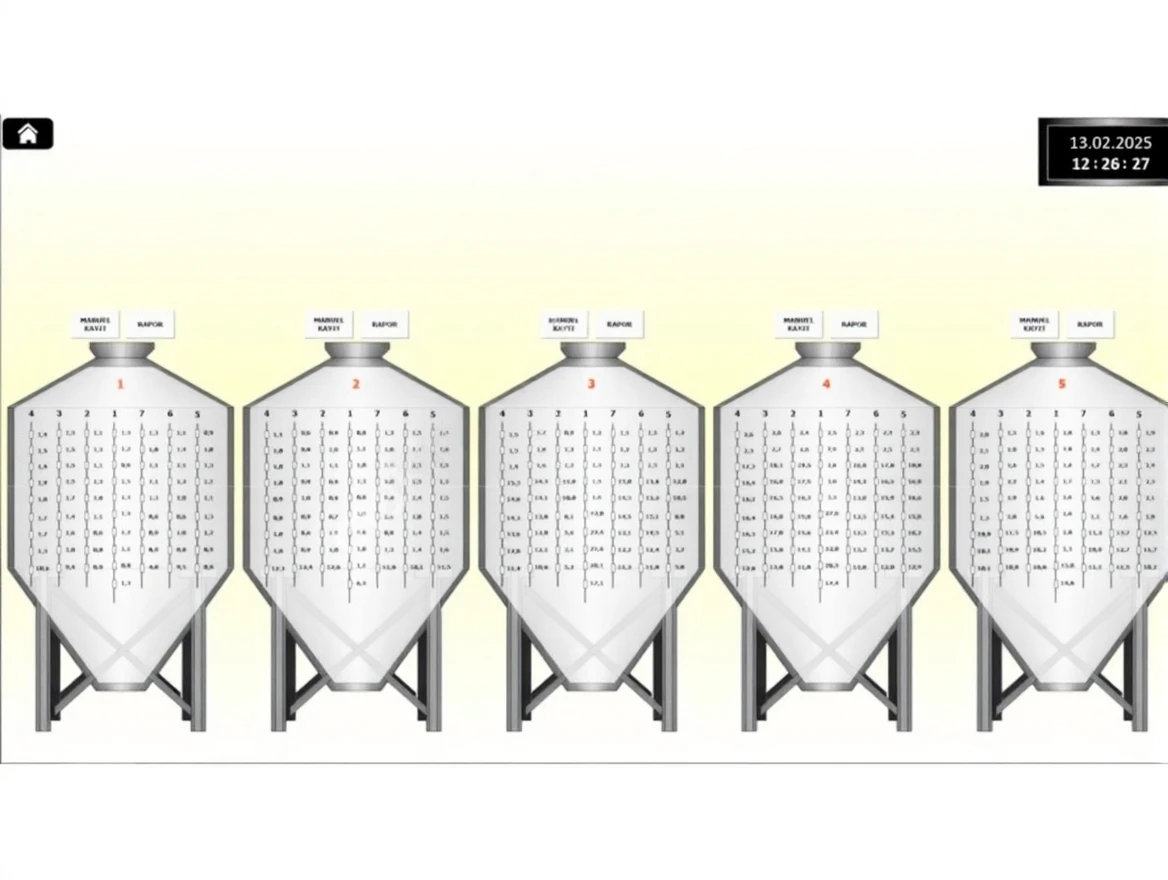
- Monitoring critical parameters such as material level, humidity, and temperature
- Increasing energy efficiency
- Ensuring safety and minimizing fire risks
3. Key Components
Sensors and Detectors
- Level sensors (ultrasonic, radar, or capacitive)
- Humidity and temperature sensors
- Pressure sensors
- Weight measuring systems (load cells)
- Motor and flap position sensors
Control and Automation System
- PLC (Programmable Logic Controller): Manages processes within the silo.
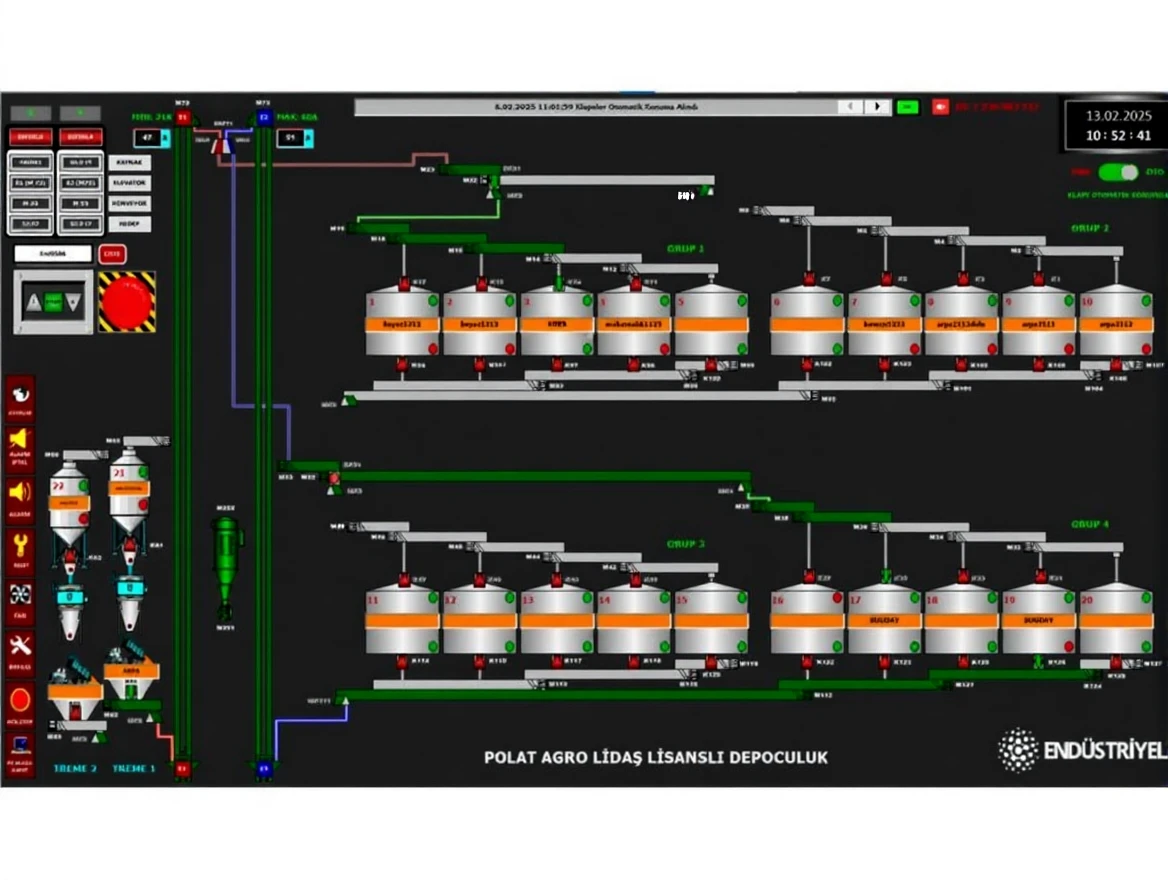
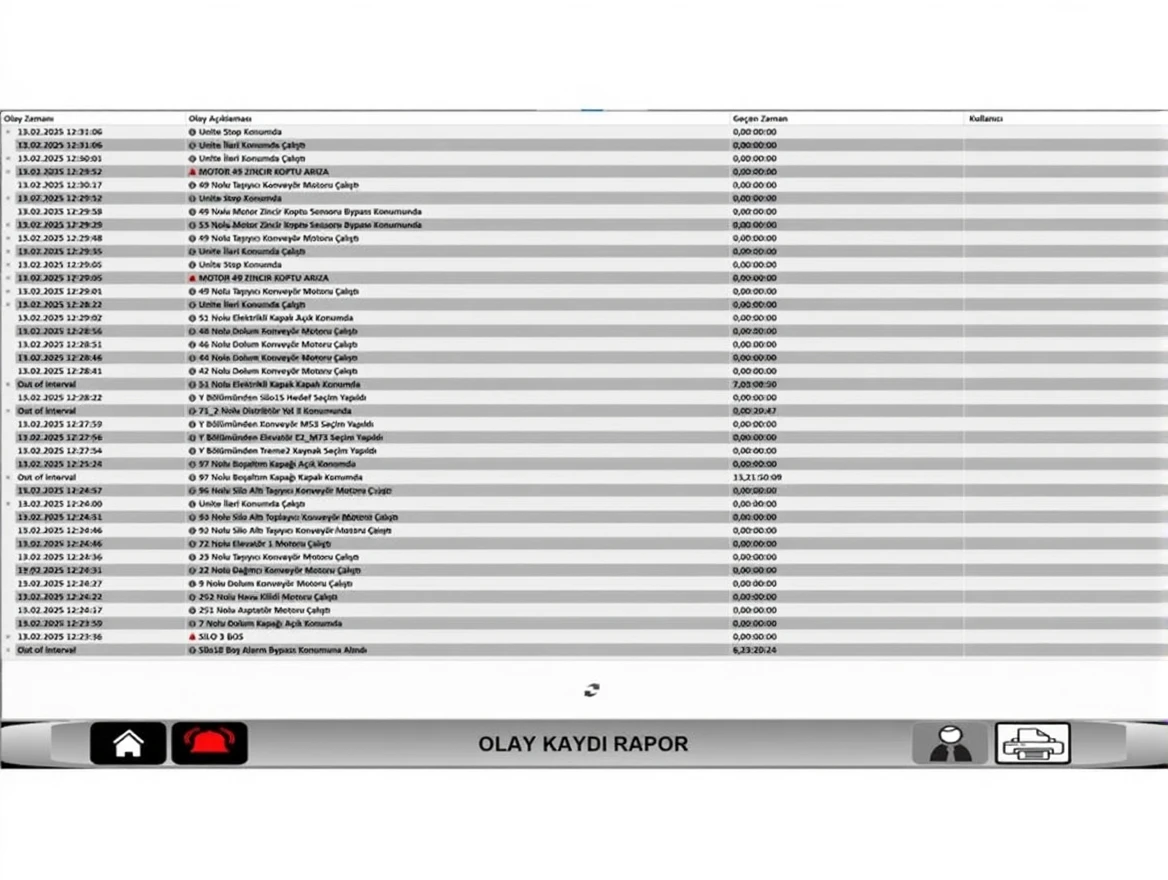
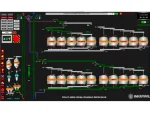
- SCADA (Supervisory Control and Data Acquisition): Provides real-time monitoring and remote control.
- Motors and Actuators: Control conveyors, screws, and valves.
- Human Machine Interface (HMI): Allows operators to interact with the system.
4. Operating Principle
- Material Input: Silo filling is done through conveyor belts or pneumatic systems.
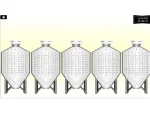
- Level Monitoring: Material quantity is determined using level sensors.
- Ventilation and Humidity Control: When humidity sensors detect levels outside the defined values, the ventilation system activates.
- Discharge: Material is discharged in a controlled manner through motorized lids and screw systems.
- Fault and Alarm System: In case of a fault, automatic stoppage and alarm notifications are triggered.
5. SCADA and Remote Monitoring
SCADA system plays a critical role in steel silo automation:
- Provides real-time monitoring and control capabilities.
- Records process data for reporting and analysis.
- Can be controlled remotely from mobile and web platforms.
- Transmits automatic notifications and alarms for abnormal conditions to operators.
6. Safety Measures
- Emergency Stop (E-Stop): Ensures instant halting of the system in hazardous situations.
- Fire and Explosion Risks: Fire detection sensors and gas venting systems are used.
- Pressure Control: Valves and ventilation systems are present for the relief of excess pressure.
- Authorization and Access Control: Access permissions are determined based on operator authorization levels.
7. Advantages and Conclusion
- Cost Savings: Achieves maximum efficiency with minimum labor.
- Process Optimization: Optimizes storage and transportation processes.
- Increase in Safety: Minimizes fire and explosion risks.
- Real-Time Data Tracking: Informed decisions can be made by analyzing real-time and historical data.
Modern steel silo automation not only improves the storage process but also enhances the overall efficiency and safety of the facility, providing significant advantages in the industry.
Related products

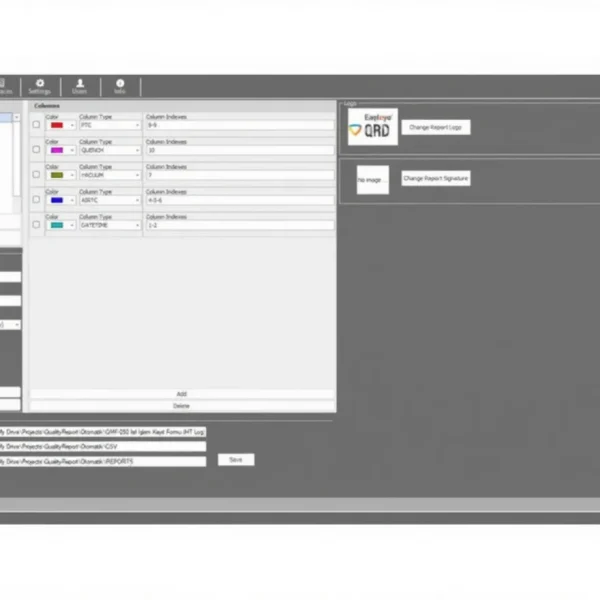
Eagleye Qrd Thermal Processing Process Control Industrial Automation Software
In stock
| Brand | 3E |
|---|---|
| Model Type |
Eagleye QRD |