


Granulated Fertilizer Production Plant
| Brand | Unimek |
|---|---|
| Model Type |
UNMK-GUT1 |
Unimek UNMK-GUT1 Granulated Fertilizer Production Facility
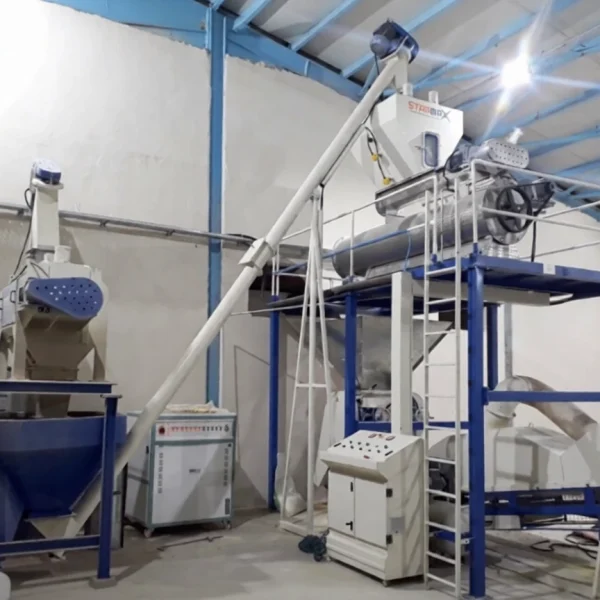
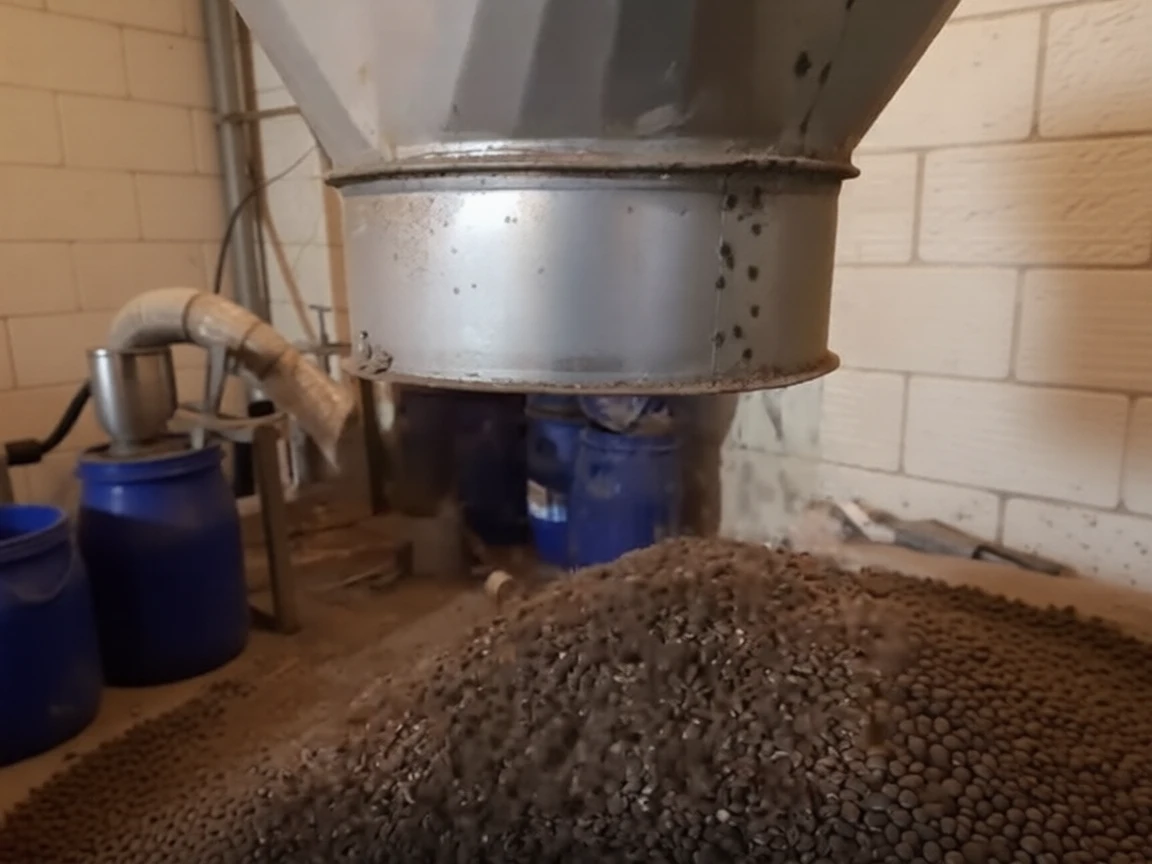
These are facilities where fertilizers in granule form are produced, designed with modern technology, in order to increase agricultural productivity and support the healthy growth of plants. These facilities produce fertilizers that are particularly suitable for use in large-scale agriculture. Granular fertilizers provide long-term benefits to plants by providing balanced nutrient release in the soil and provide storage advantages with ease of application. Advanced production facilities such as Unimek UNMK-GUT1 offer comprehensive and efficient production processes to meet all these requirements.
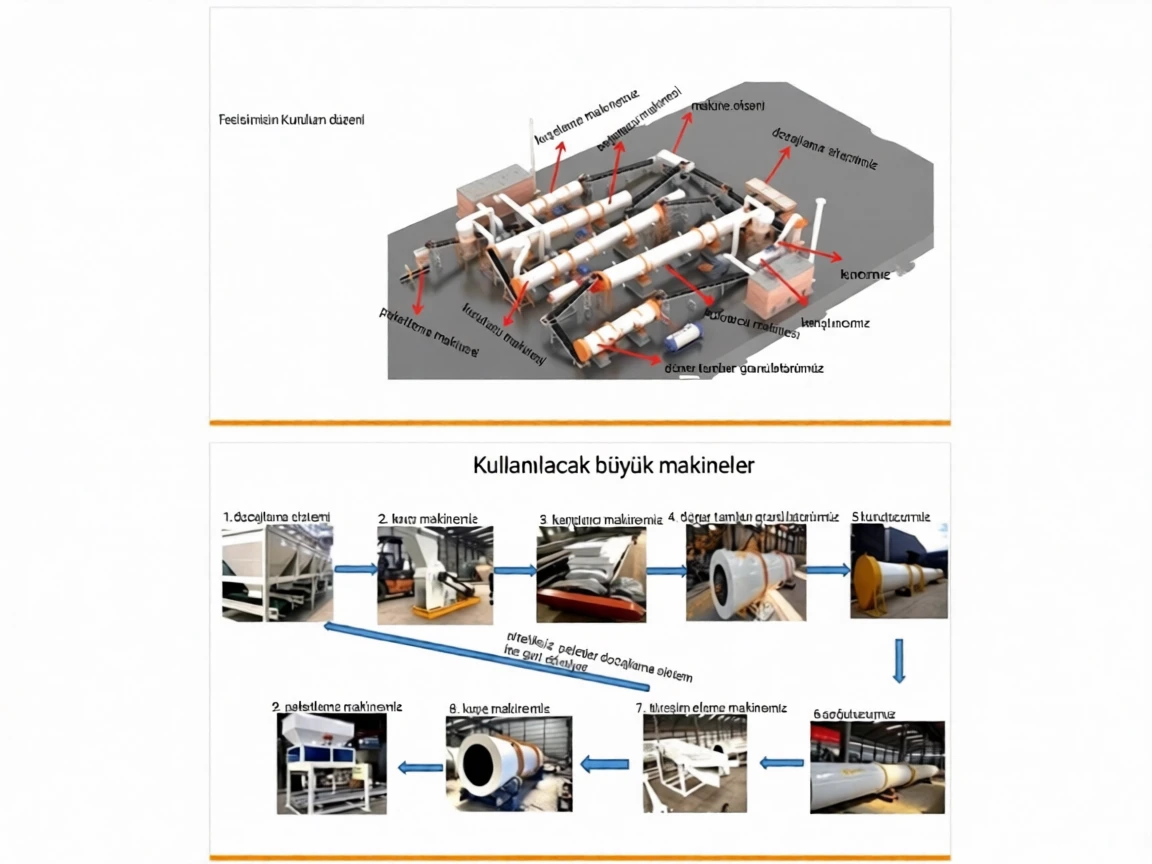
The granular fertilizer production process includes a series of steps, starting from raw material supply and preparation, to mixing, granulation, drying, cooling, sieving and packaging stages. The mineral and organic raw materials required for production are prepared with chemical mixtures in accordance with the targeted fertilizer type. The mixture is mixed homogeneously in large mixers, then granule form is obtained with binding agents. Granules are shaped into the desired sizes by pressing in granulation machines and then made durable by drying and cooling processes. Each batch of fertilizer is inspected according to high standards with quality control tests during production.
The advantages of granular fertilizers offer long-lasting effects and efficient application processes. The granule form provides constant nutrient distribution to the plants by providing equal nutrient distribution in the soil, thus reducing the frequency of application. Granules can be easily stored, transported and dispersed homogeneously in the soil during application. In addition, thanks to the flexible production capacity that allows the production of different types of fertilizers, various formulations such as nitrogenous, potassium and phosphorus fertilizers are produced. Granular fertilizers have a wide range of uses such as agriculture, horticulture, forestry and greenhouse cultivation, and provide great advantages to farmers, especially with their productivity-enhancing effects.
Related products
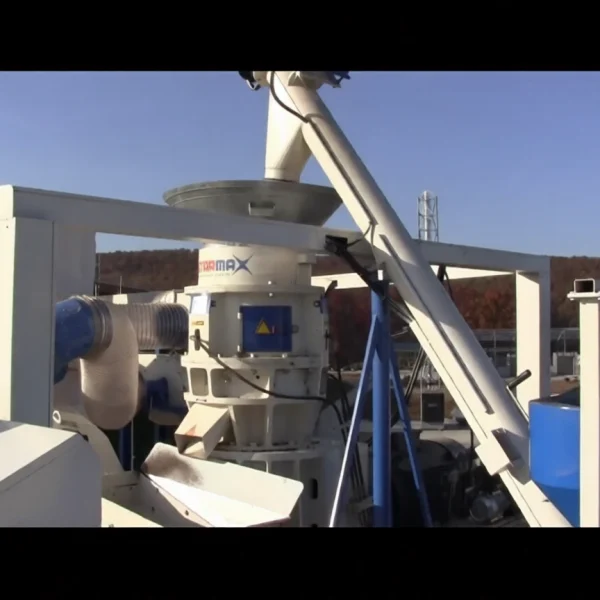
Chicken, Cattle, Sheep Manure Organic Fertilizer Processing and Pelletizing Facilities
In stock
| Brand | Starmax |
|---|---|
| Model Type |
Biostar Serisi |
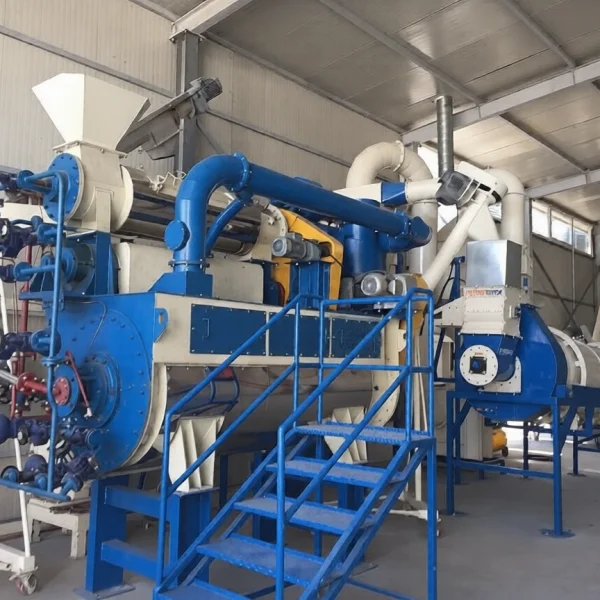
Compact Type Slaughterhouse Waste Processing and Pelleting Systems
In stock
| Brand | Starmax |
|---|---|
| Model Type |
Prostar |