


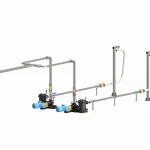
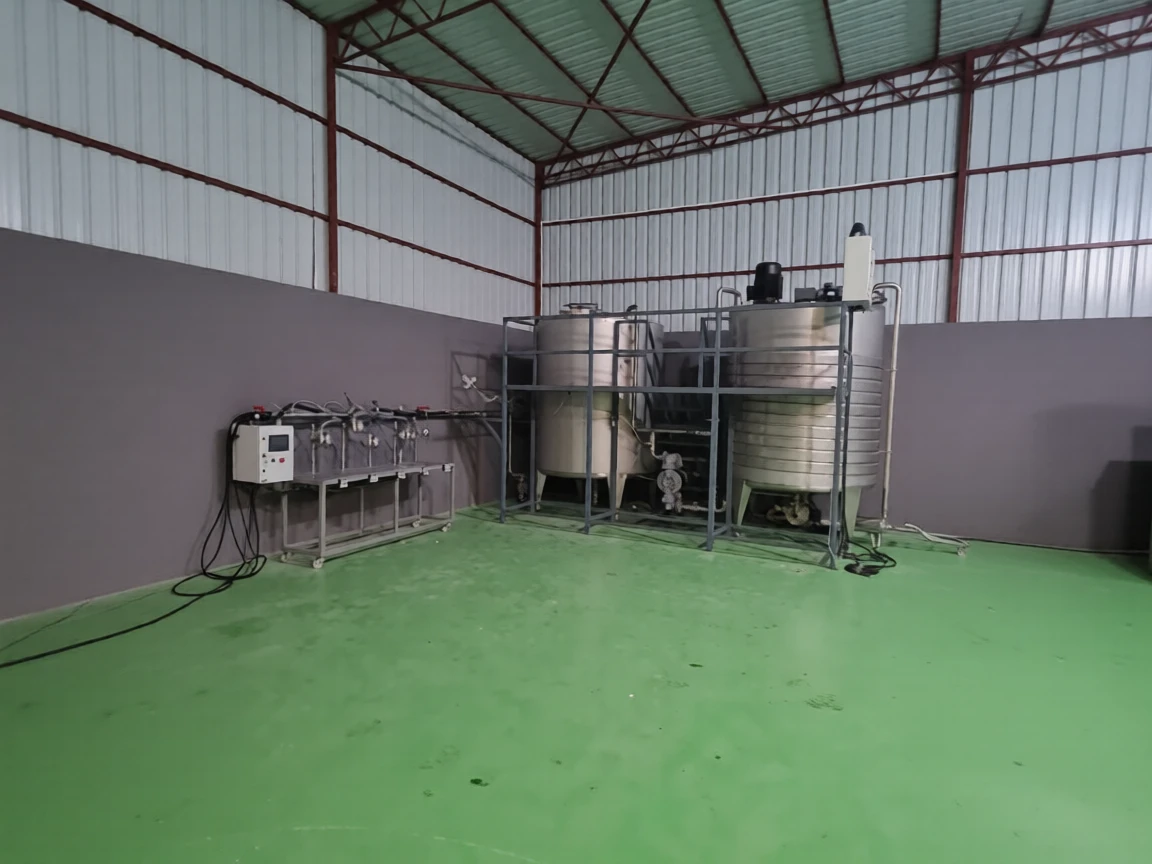
Boron-Containing Fertilizer Production Plant
| Brand | Unimek |
|---|---|
| Model Type |
UNMK-GUT3 |
Boron-Containing Fertilizer Production Plant
Boron-containing fertilizers are a crucial type of fertilizer to support plant growth and increase productivity in agricultural production. Boron element plays a role in many biological processes such as cell wall formation, carbohydrate metabolism, and pollen formation in plants.
Therefore, boron-containing fertilizers are used to increase agricultural yield in regions with boron deficiency in soil. Boron-containing fertilizer production plants are designed to produce this important product with high quality and environmentally friendly production processes.
Processes of Boron-Containing Fertilizer Production Plant
1. Raw Material Sourcing and Preparation
-
Boron Sources: Boric acid, borax, or other boron derivatives are sourced to prepare for the production processes.
-
Additives: Carrier materials compatible with boron and other micronutrients (zinc, iron, etc.) are mixed.
-
Scaling: Boron ratios required for production are determined sensitively according to agricultural needs.
2. Mixing and Granulation
-
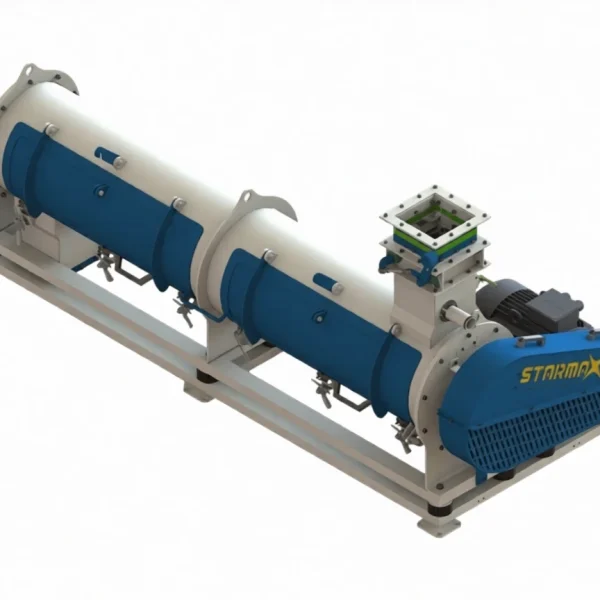
Raw materials, additives, and carrier materials are homogenized with special mixers.
-
Materials containing boron are granulated using granulation machines.
-
Granules can be produced in different sizes according to plant needs.
3. Drying and Cooling
-
The granulated fertilizer is brought to the ideal moisture level with drying systems.
-
Cooling process is carried out to stabilize the fertilizer and extend its shelf life.
4. Screening and Packaging
-
Undesired-size granules are separated through screening, and those that meet the standards are selected.
-
Fertilizers are packed with automatic filling machines and made ready for shipment.
Technical Specifications of the Production Plant
-
High Level of Automation:
-
Production processes are fully automated with modern control systems.
-
High efficiency and low error rate are achieved with less human intervention.
-
-
Environmentally Friendly Production:
-
Sustainable production with low energy consumption.
-
Environmental impacts are minimized through waste management systems.
-
-
Flexible Production Capacity:
-
Enables the production of different types of boron-containing fertilizers suitable for agricultural needs.
-
-
High Quality Standards:
-
Production processes compliant with international standards such as ISO 9001, ISO 14001.
-
Types of Boron-Containing Fertilizers
-
Boric Acid-Based Fertilizers: Formulations containing boric acid for general agricultural use.
-
Borax-Based Fertilizers: Used in areas with higher boron needs.
-
Liquid Boron Fertilizers: Liquid form suitable for foliar application with fast absorption.
-
Microelement-Enriched Fertilizers: Special formulations enriched with boron and other micro nutrients.
Areas of Use
-
Agricultural Fields: To support plant growth in products such as cereal, vegetable, fruit, and oil plants.
-
Regions with Boron Deficiency: Especially for higher yield in low boron level soils.
-
Horticulture and Greenhouse Farming: For faster growth and quality products.
-
Soil Improvement Projects: Supports the improvement of unproductive soils.
Plant Advantages
-
High Efficiency: Increases production capacity with modern technologies.
-
Cost Advantage: Low-cost production with efficient use of energy and resources.
-
Quality Fertilizer Production: Agriculture-friendly and effective fertilizers tailored to agricultural needs.
-
Durable Design: Plant equipment that provides durable and long-term use.
Related products
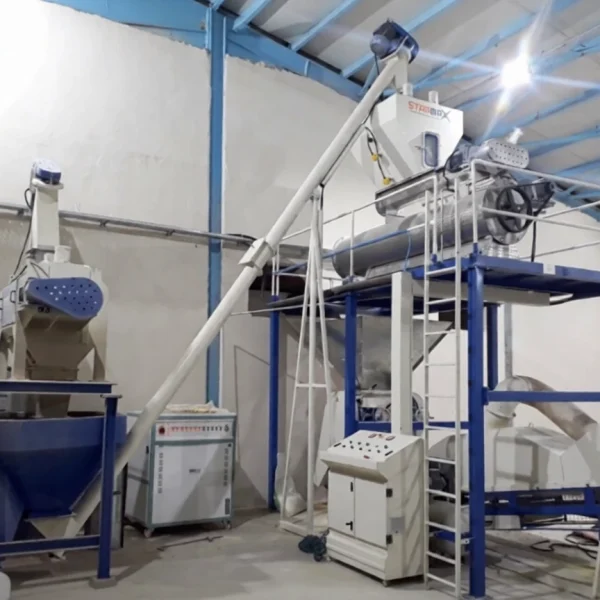
Liquid Chemical Fertilizer Production Plant with Leonardite Content
In stock
| Brand | Unimek |
|---|---|
| Model Type |
UNMK-GUT2 |