






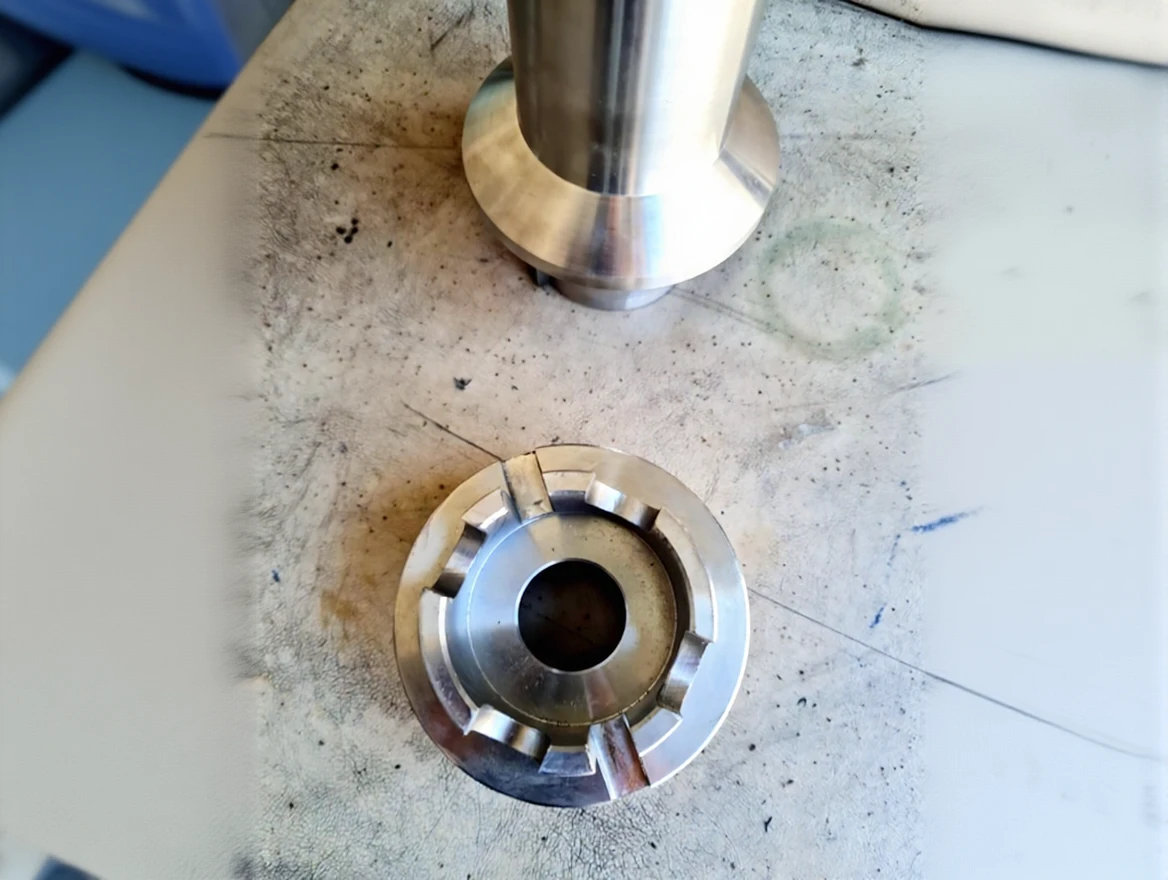
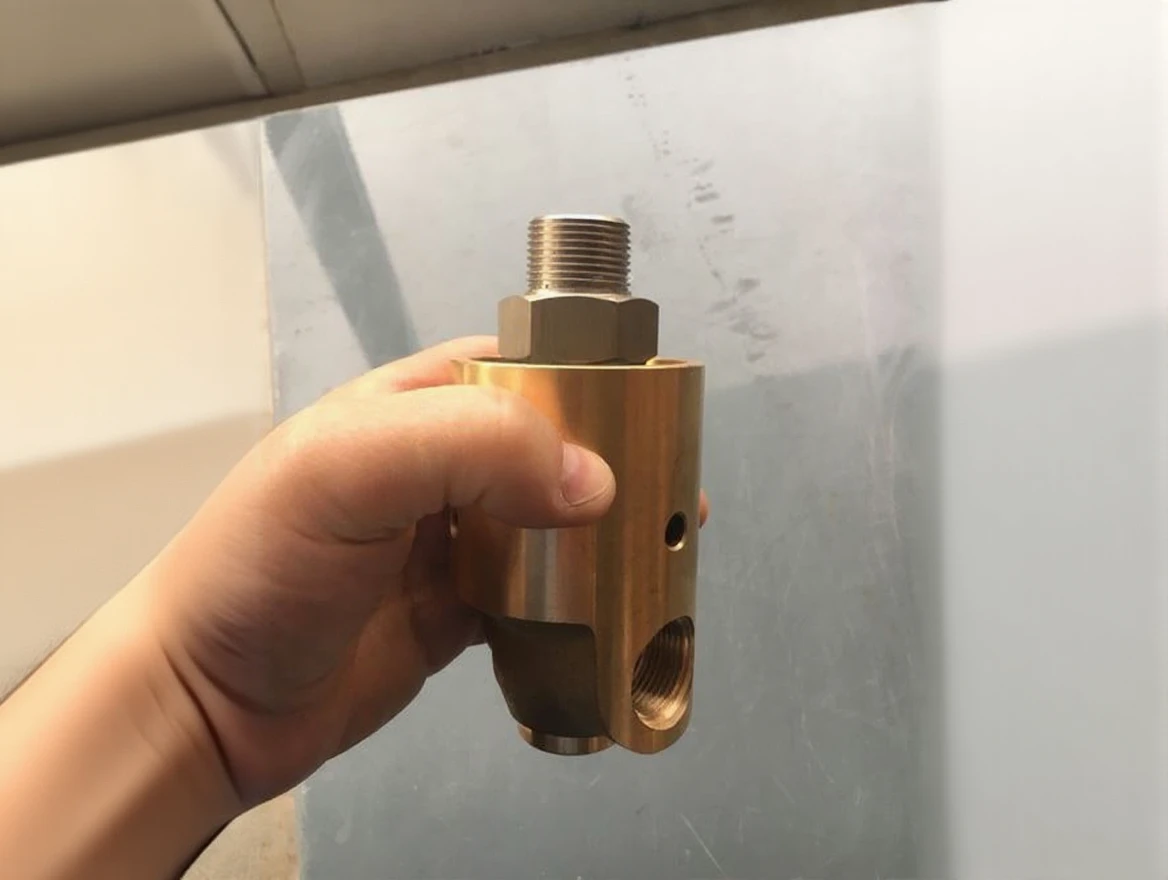
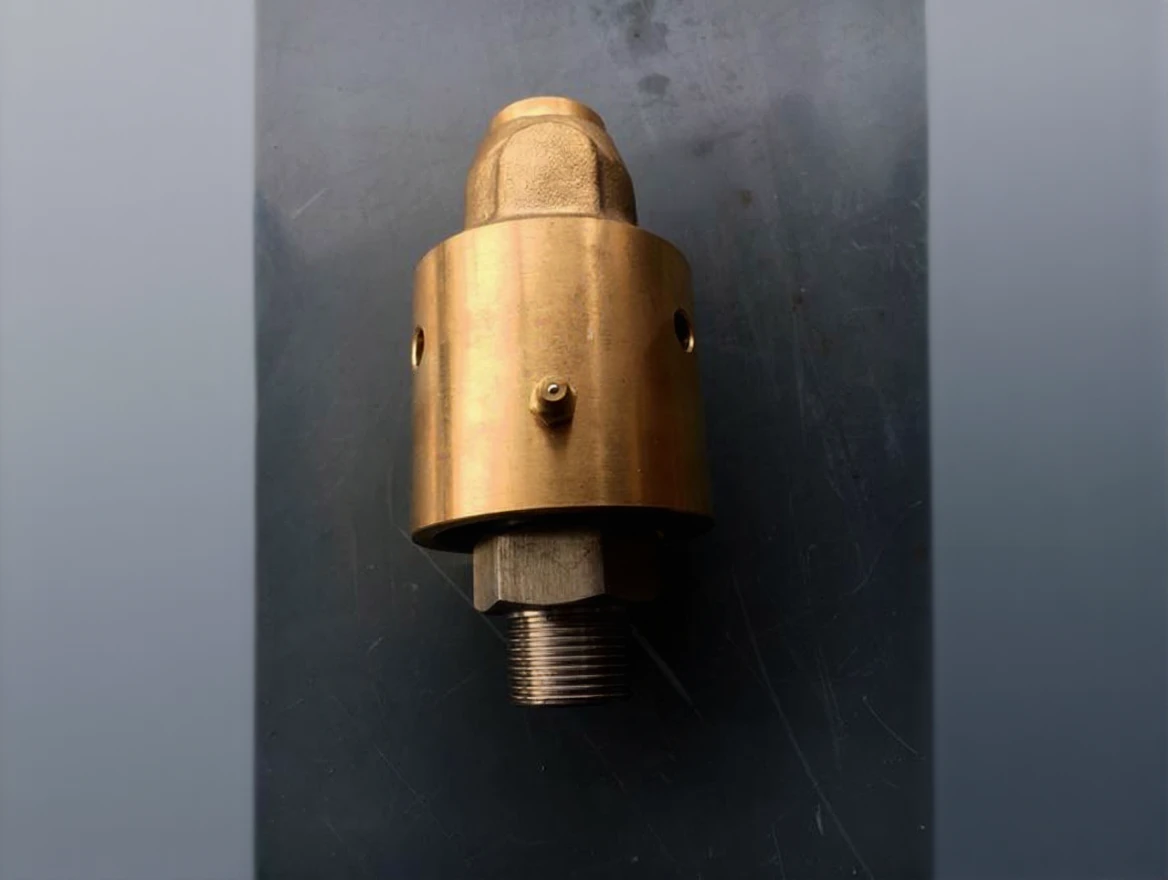
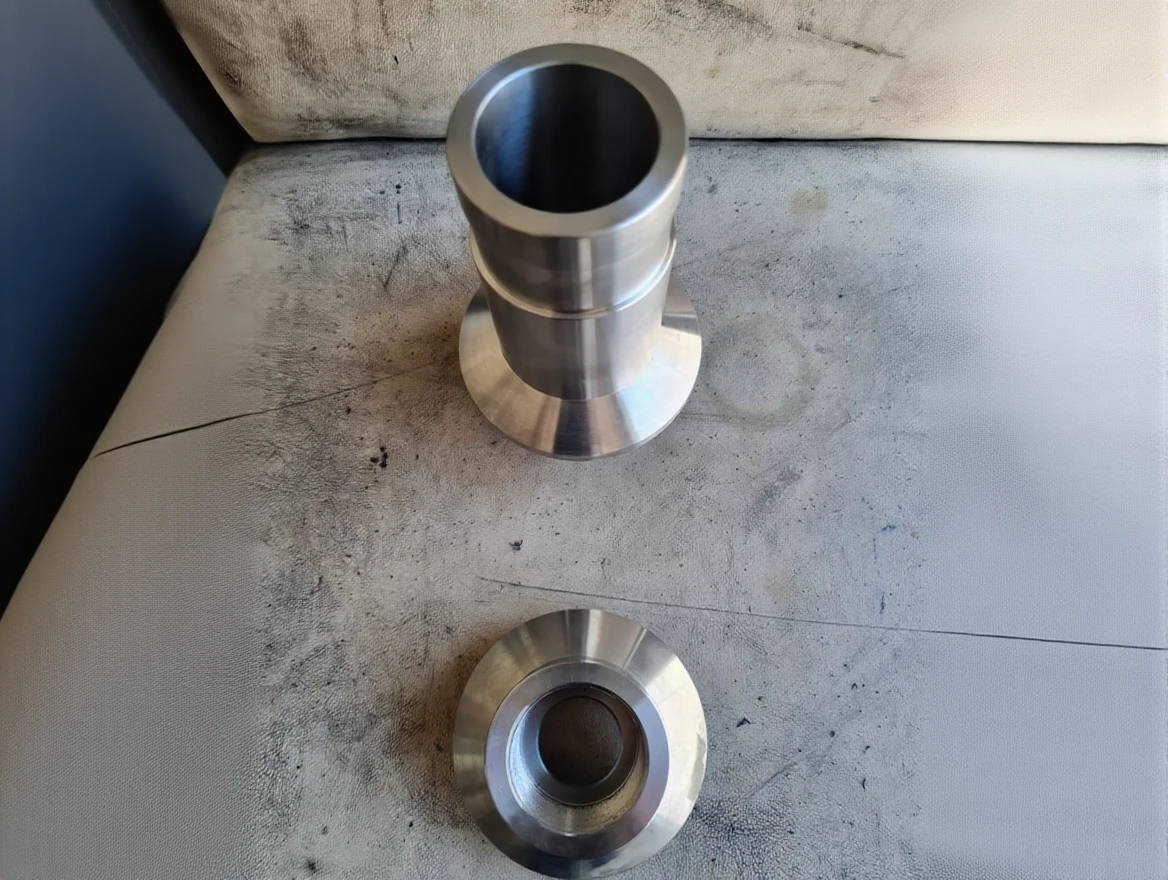
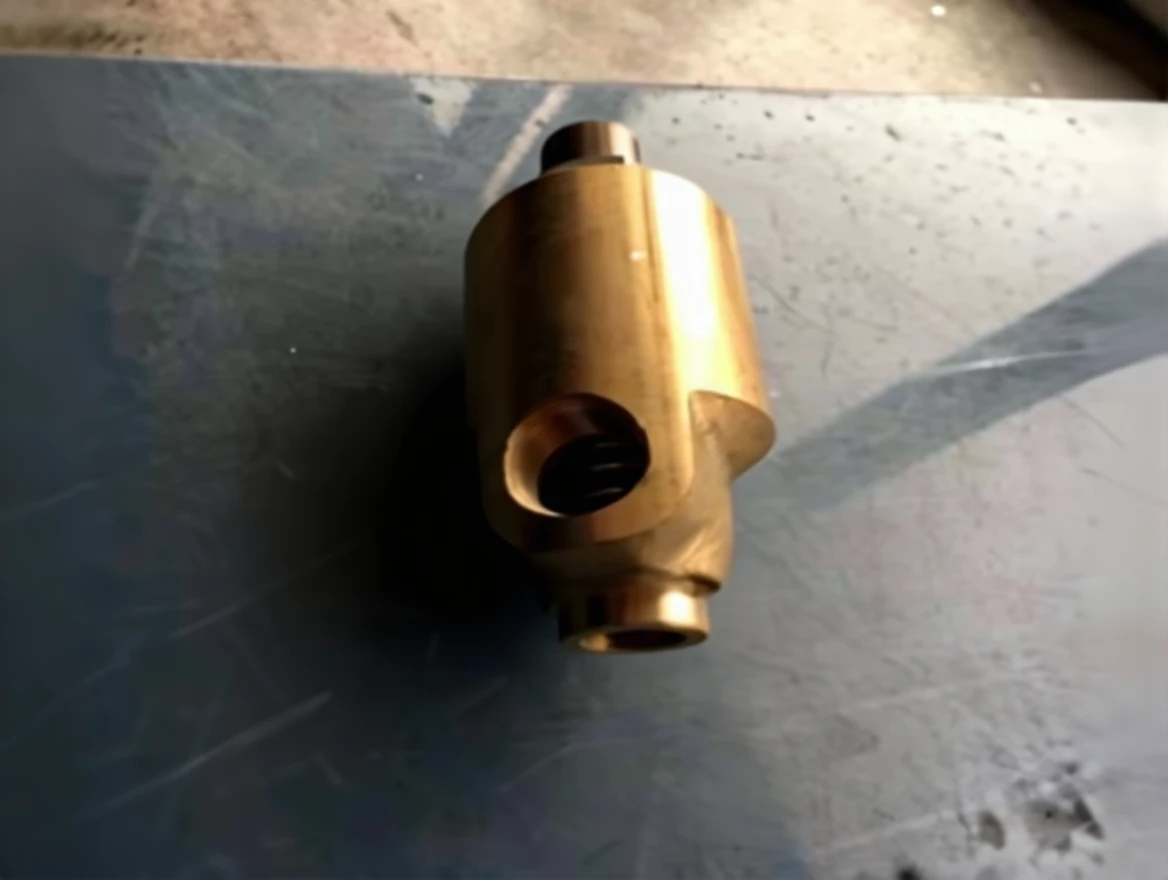
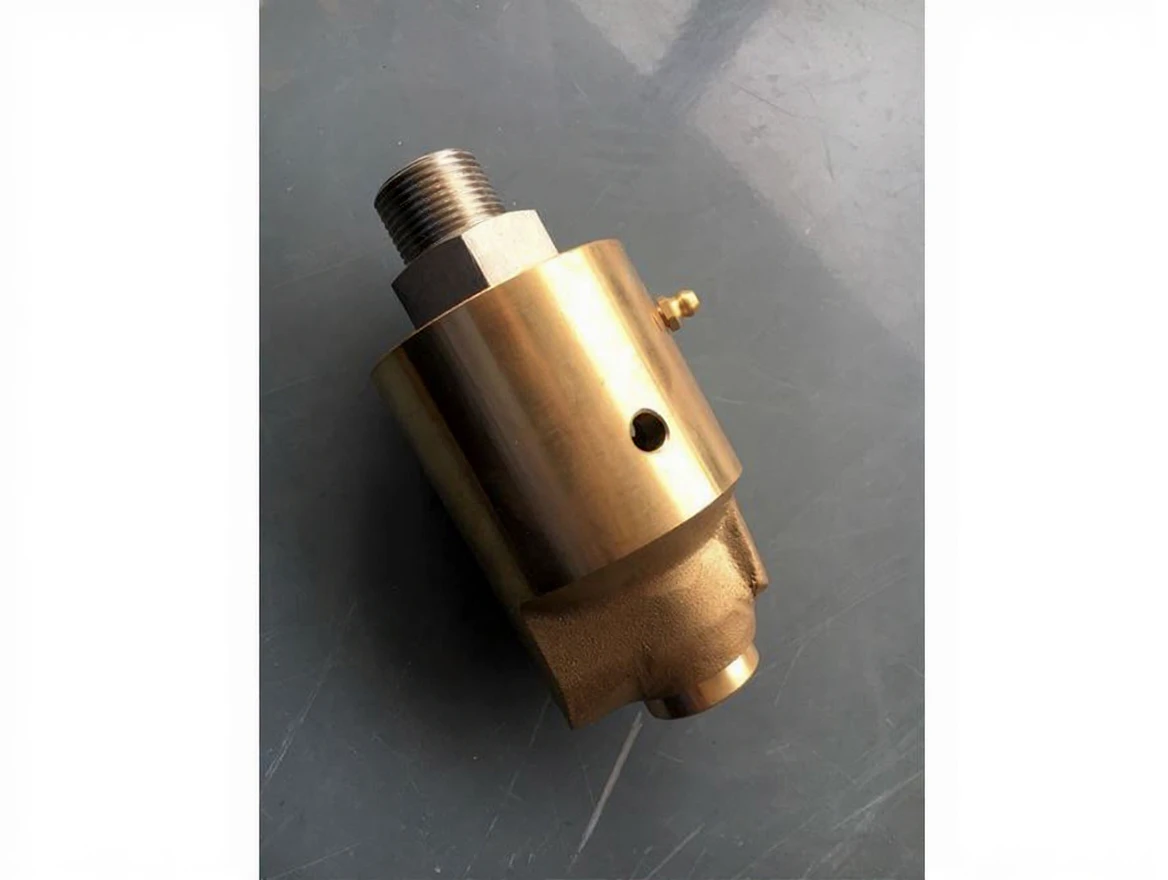
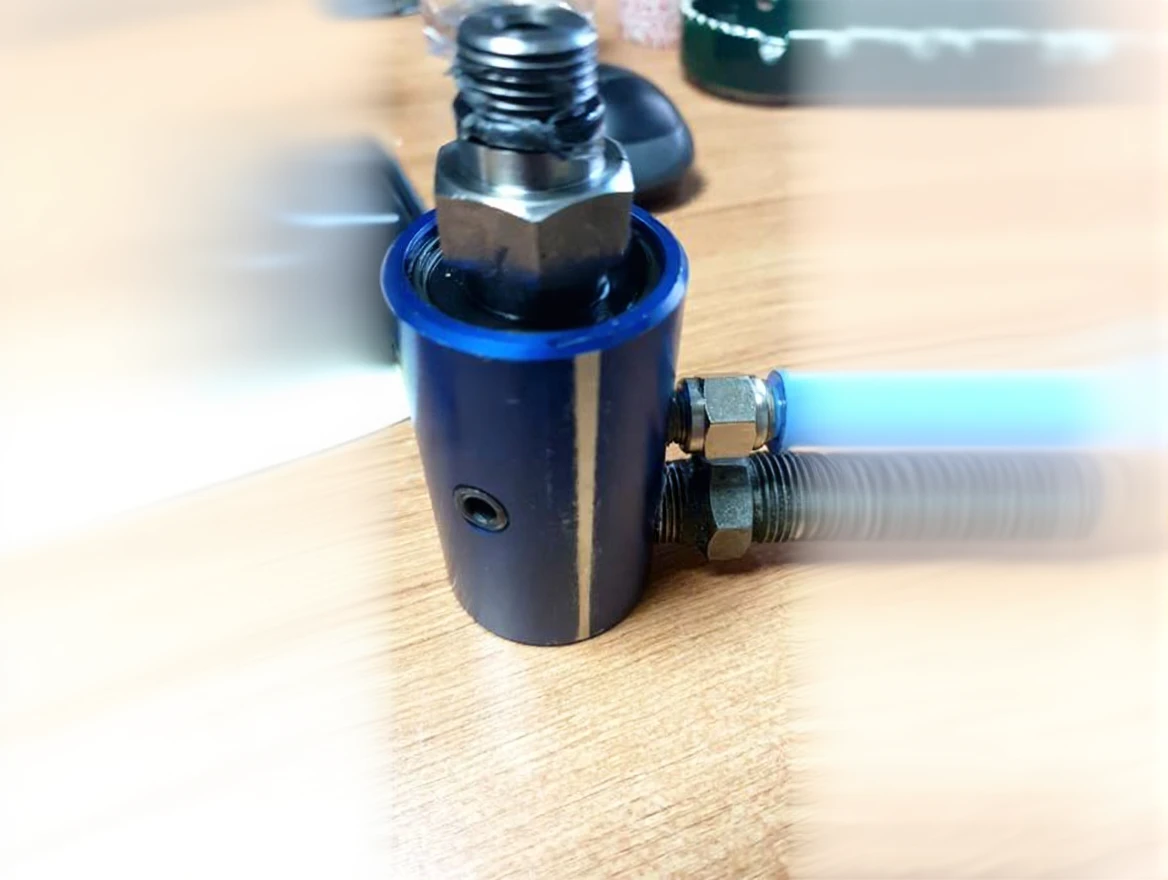
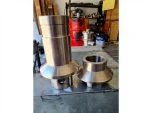
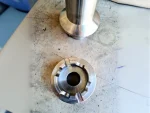
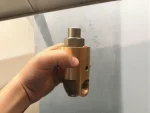
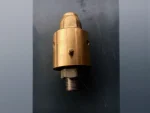
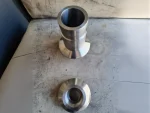
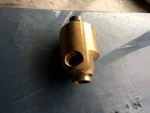
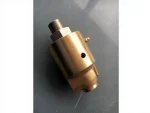
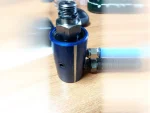
Rotary Joint Metal Part Manufacturing
| Brand | Unimek |
|---|---|
| Model Type |
UNMK-MP4 |
Rotary Joint Metal Part Manufacturing
Rotary Joint Metal Part Manufacturing Process
1. Design and Planning
-
Engineering Design: The design of rotary joint parts is based on engineering calculations that consider working conditions, pressure, and temperature requirements.
-
CAD Drawings and Prototyping: Designs are drawn with CAD software and prepared for production using 3D modeling. Additionally, the accuracy of the design is tested with prototyping.
2. Material Selection
-
High-Strength Metal Materials: Materials such as stainless steel, aluminum alloys, and carbon steel are used to increase the durability and temperature tolerance of rotary joint parts.
-
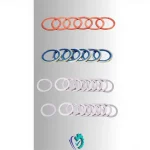
Sealing Elements: Sealing elements (e.g., O-rings) are selected with the right materials to ensure the proper functioning of the parts.
3. Production Process
-
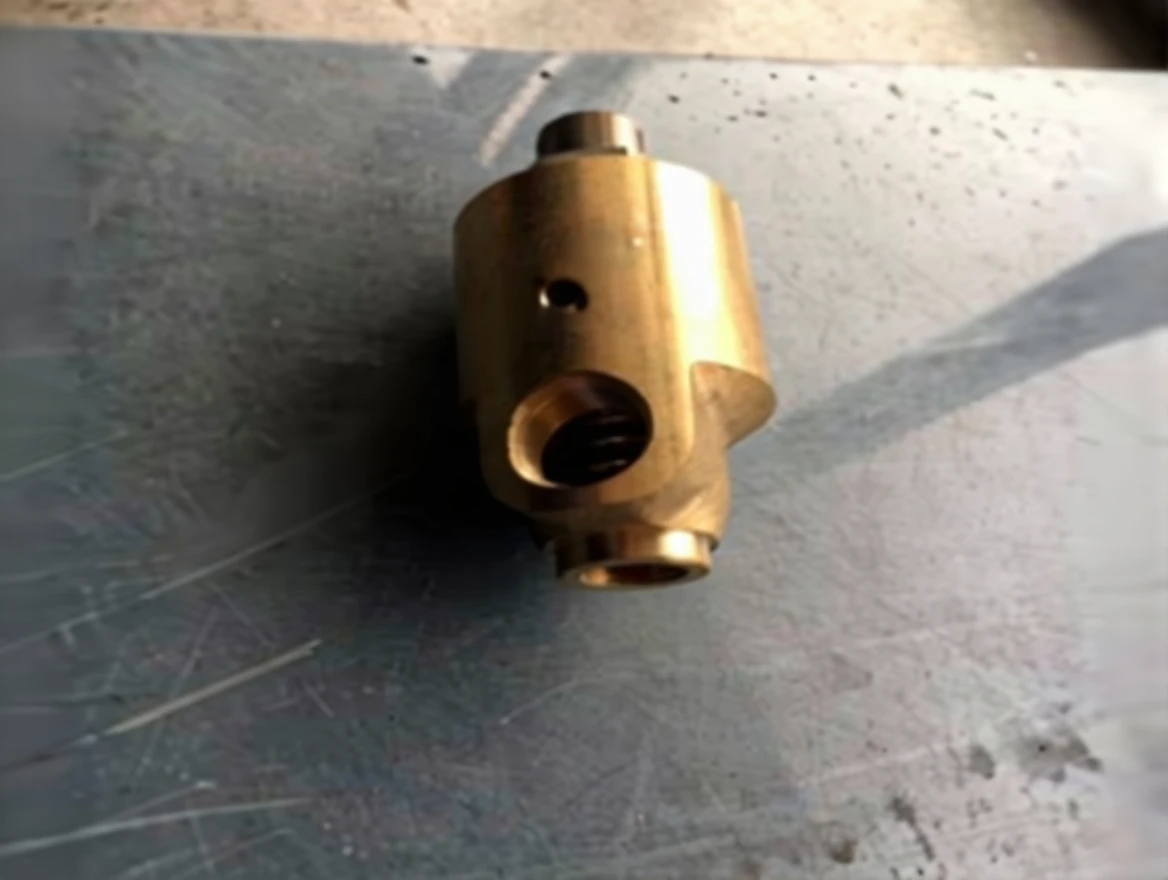
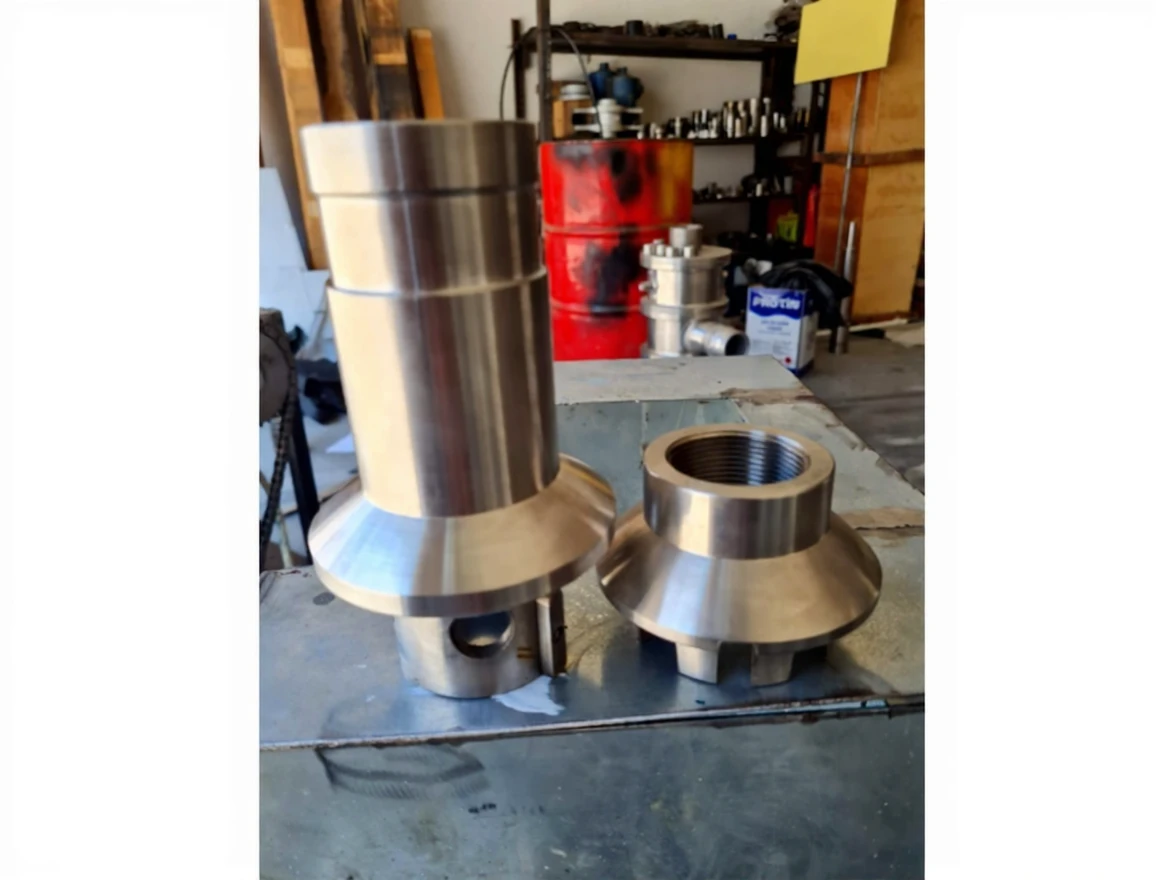
CNC Machining and Cutting: Rotary joint metal parts are processed with precise measurements using CNC machines. This process ensures that the part surfaces are smooth and accurate.
-
Casting and Forming: If larger and more complex parts are needed, parts are shaped using casting methods.
-
Mechanical Processing: Necessary mechanical processes are applied to the parts, which may include drilling, milling, turning, and other processes.
4. Welding and Assembly
-
Welding Processes: If the part consists of multiple components, strong joints are created using welding methods. This process provides durability to parts operating under high temperatures.
-
Assembly: All components of the rotary joint are assembled, and connections are securely made.
5. Heat Treatment and Hardening
-
Hardening: Heat treatment is applied to harden the metal, increasing the resistance of parts against wear.
-
Cooling: After heat treatment, parts are cooled in a controlled manner to preserve the durability and flexibility of the metal.
6. Surface Finishing and Final Inspection
-
Coating and Surface Polishing: Parts can undergo processes such as galvanization, passivation, or chrome plating to protect against corrosion. Additionally, grinding and sanding are done to ensure surface smoothness.
-
Quality Control: All produced rotary joint metal parts undergo final quality control tests, including dimensional accuracy, sealing performance, and durability.
Features of Rotary Joint Metal Parts
-
High Durability and Resilient Materials:
-
Manufactured using high-strength materials like carbon steel and stainless steel, providing safe long-term use under high temperature and pressure.
-
-
Sealing Performance:
-
Sealing elements are placed with high precision to prevent leakage of liquids or gases, ensuring high efficiency.
-
-
High Temperature and Pressure Resistance:
-
Rotary joints are designed and manufactured to withstand especially high temperature and pressure conditions.
-
-
Easy Maintenance and Replacement:
-
Design of parts allows for easy maintenance and repair. Additionally, seals and sealing elements can be replaced over time.
-
-
Longevity and Reliability:
-
With durable metal materials and sealing elements, rotary joints offer long-lasting and reliable solutions.
-
Applications of Rotary Joint Metal Parts
-
Automotive Industry:
-
Used in automotive production, especially in engines and radiator systems, for high temperature and pressure applications.
-
-
Chemical Industry:
-
Utilized in chemical processing plants to ensure secure sealing during the transfer of liquids and gases.
-
-
Petrochemical Industry:
-
Used in high-temperature pipelines and reactors to provide liquid or gas sealing.
-
-
Energy and Electricity Generation:
-
Applied in thermal power plants, hydroelectric power plants, and other energy production facilities for the transfer of liquid or steam.
-
-
Food and Beverage Industry:
-
Provides safe liquid transport in systems operating at high temperatures and meeting hygiene requirements.
-
Advantages
-
High Performance and Efficiency: Ensures safe and efficient operation under high temperature and pressure conditions.
-
Sealing and Security: Prevents liquid and gas leaks with high-quality sealing elements.
-
Longevity: Offers long-term use with stainless steel and other durable materials.
-
Flexibility: Solutions tailored to various sectors, providing a wide range of applications.
Related products
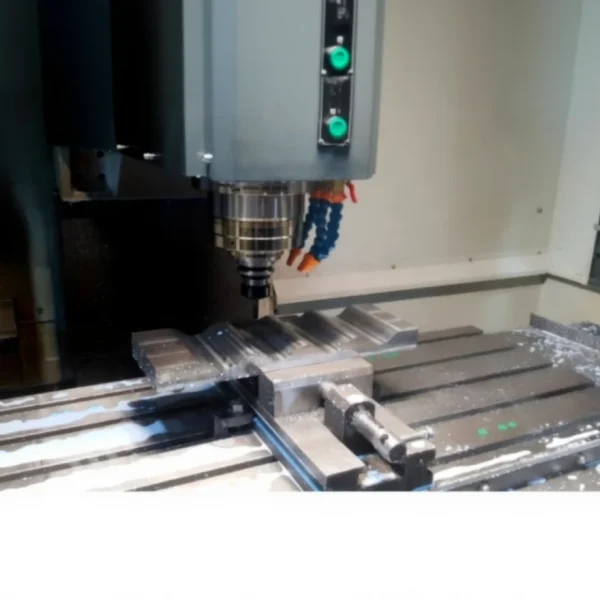
1000X500x500 Mm Cnc Vertical Machining Service
In stock
| Brand | Yılmazoğlu Makina |
|---|---|
| Model Type |
1000x500x500 mm |
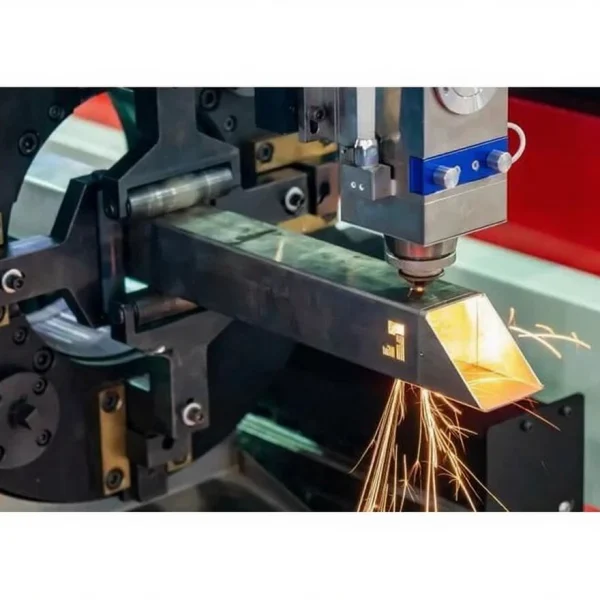
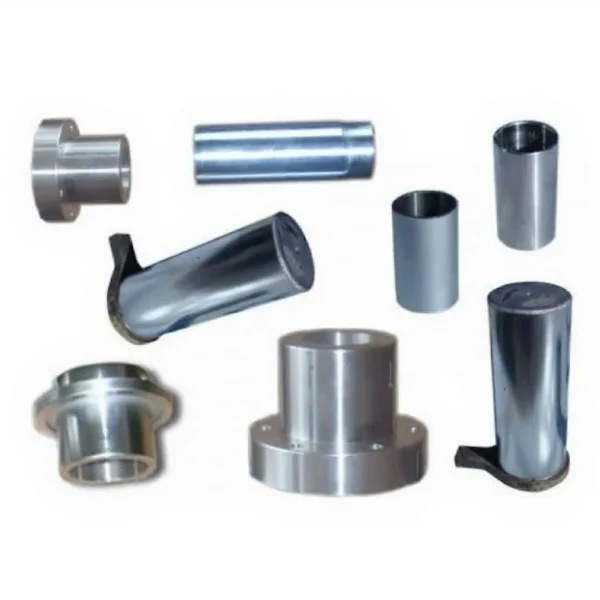
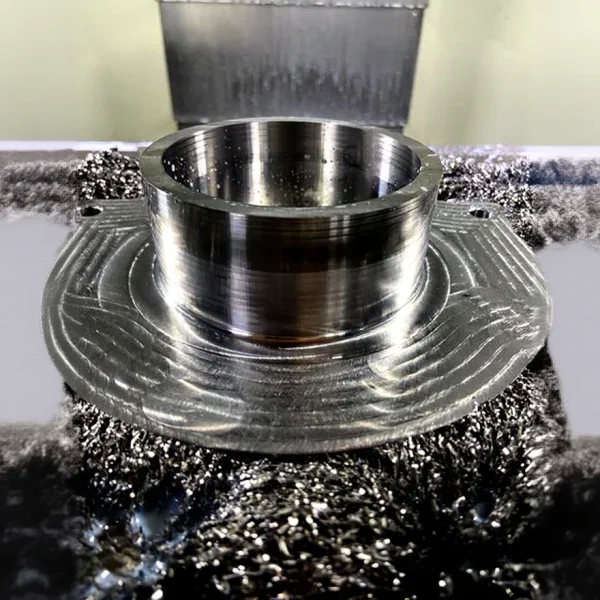
Paslanmaz Çelik Alüminyum Boru ve Flex Kaynak Hizmeti
In stock
| Brand | Merer Makina |
|---|---|
| Model Type |
M-FK-004 |