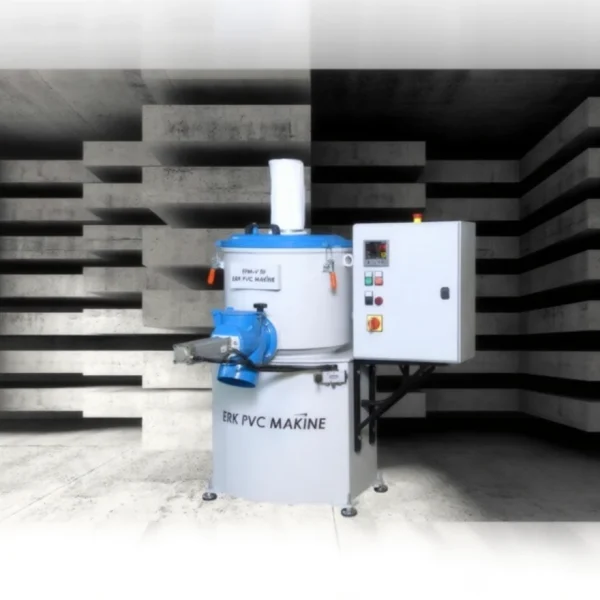


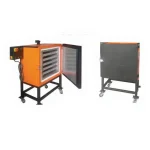
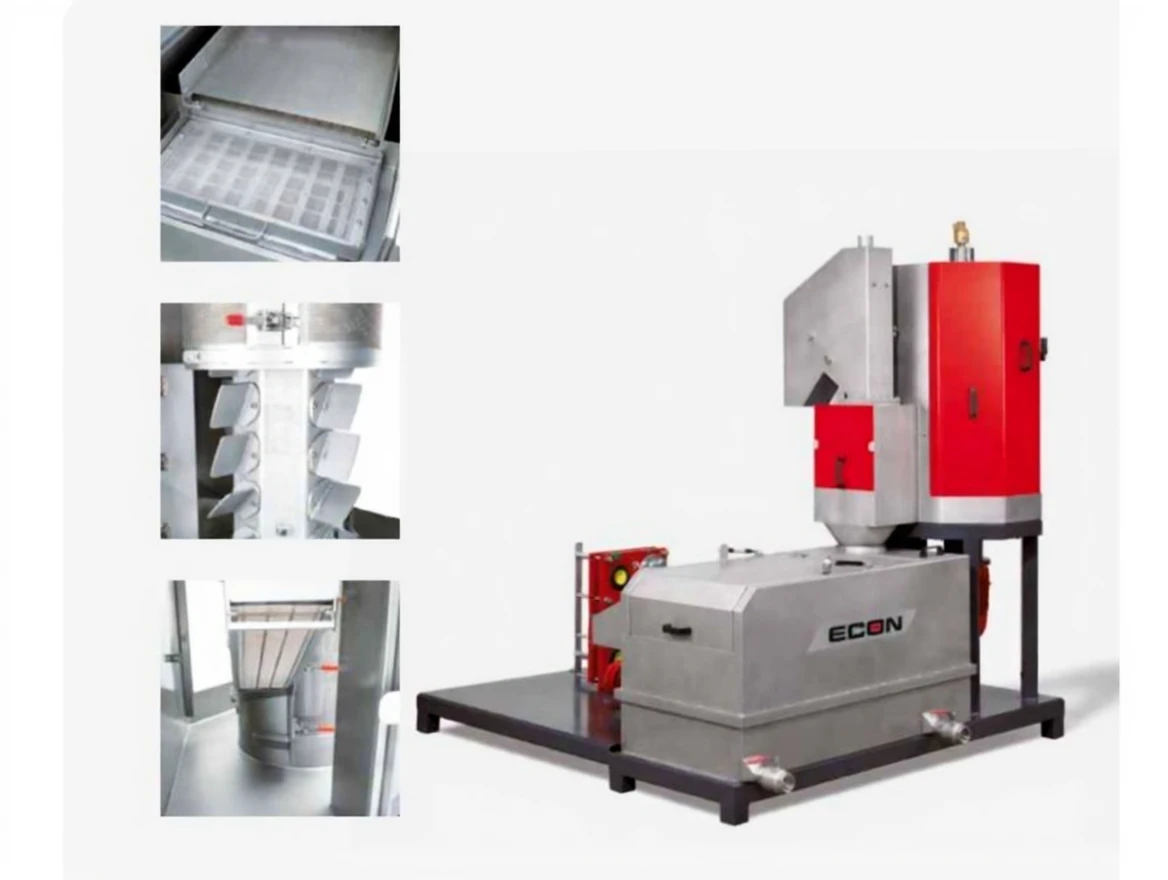
6.5 Ton/Hour Plastic Raw Material Drying Oven
| Brand | Econ |
|---|---|
| Model Type |
EWT 500 |
6.5 tons/hour Plastic Raw Material Drying Oven
Operation Sequence (EWT)
The pellet-water mixture coming out of the pelletizing body is directed to the water treatment and drying system. Thanks to the unique design feature of the ECON system, there is no need for a water bypass pipe in the process water cycle. An agglomerate separating unit is installed above the pellet dryer to remove pellet clumps before they enter the dryer.
In the next stage, the pellets flow into the rotor section of the dryer along with the remaining water; due to the design of the blades using centrifugal force, the pellets are thrown towards the screens. As the water separates from the screens, the pellets are continuously transported to the upper part of the dryer and exit from the pellet outlet (e.g. with a conveyor fan).
With the special design of the pellet dryer (body and water drainage screens), the cleaning process is optimized to allow for material change in just a few minutes. The separated water is directed to the water tank, filtered through fine screens, and then recirculated. An heat exchanger and a cooling cycle are integrated into the system to control the process water temperature to a certain value.
ECON-Model | Efficiency Ratio | Suitable Material Types
|
ECON-Model |
Efficiency Ratio |
Material Types |
|---|---|---|
|
EWT 190 |
Up to 100 kg/hour |
All thermoplastic and elastomeric materials, hot melt types, adhesives, natural resins, silicones, wood composites, etc. |
|
EWT 250 |
Up to 350 kg/hour |
Compatible with the above materials |
|
EWT 350 |
Up to 1,000 kg/hour |
Compatible with the above materials |
|
EWT 400 |
Up to 3,500 kg/hour |
Compatible with the above materials |
|
EWT 500 |
Up to 6,500 kg/hour |
Compatible with the above materials |
Related products