


Battery Rectifier Groups
| Brand | Redartı |
|---|---|
| Model Type |
R-AŞC-004 |
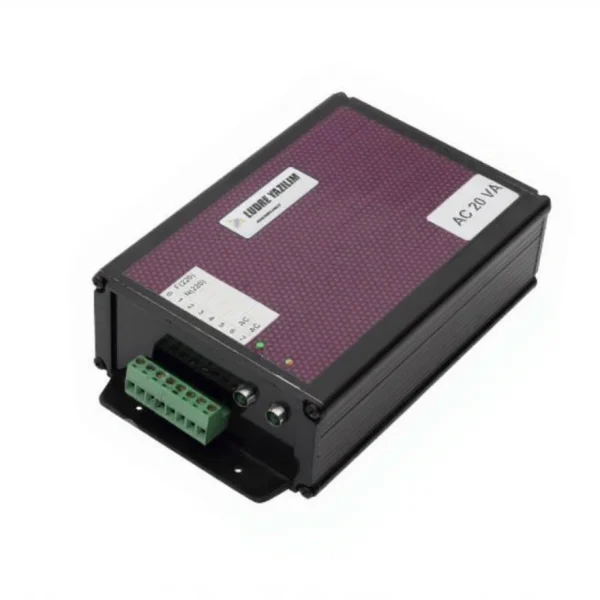
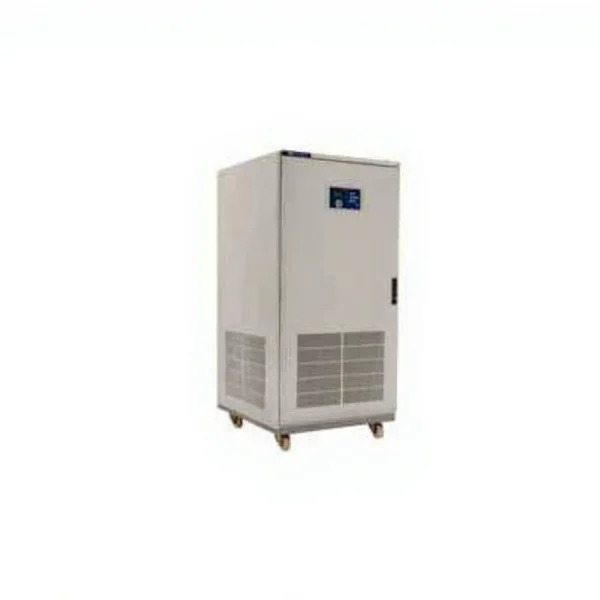
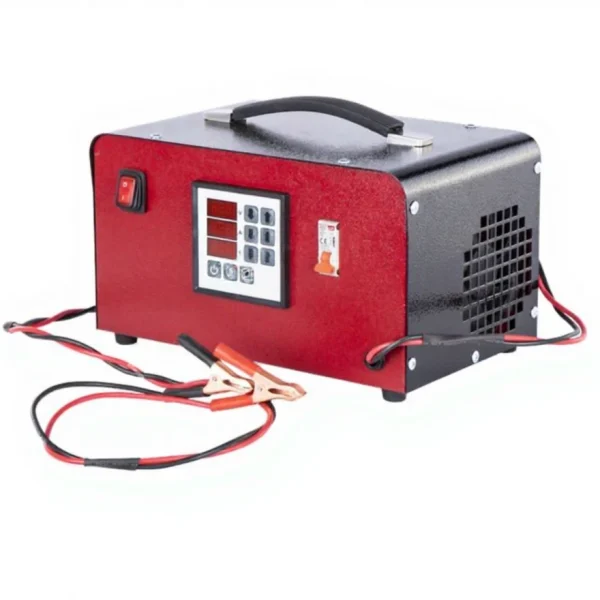
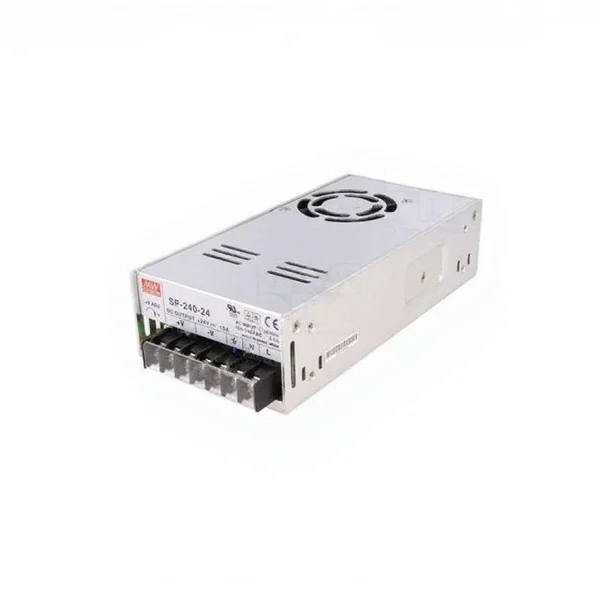
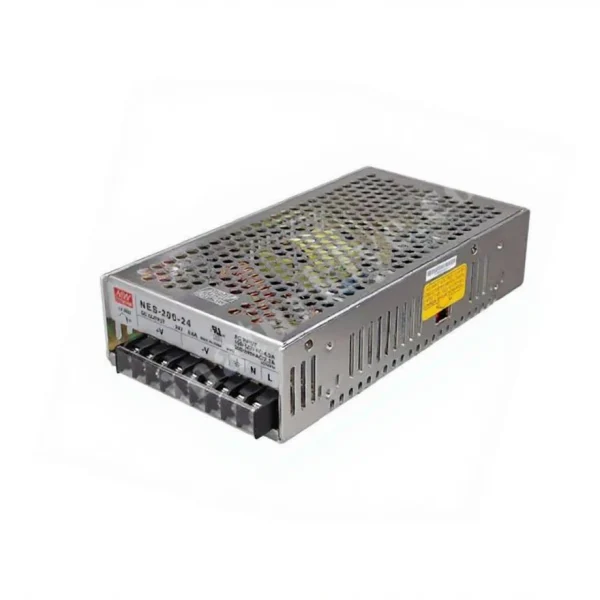
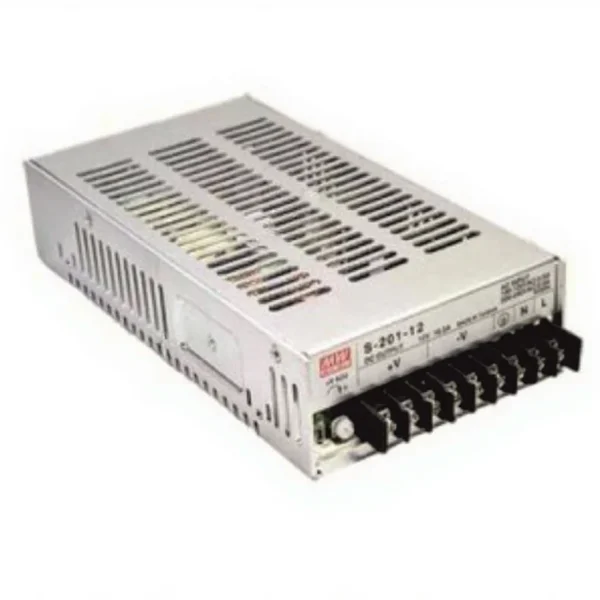
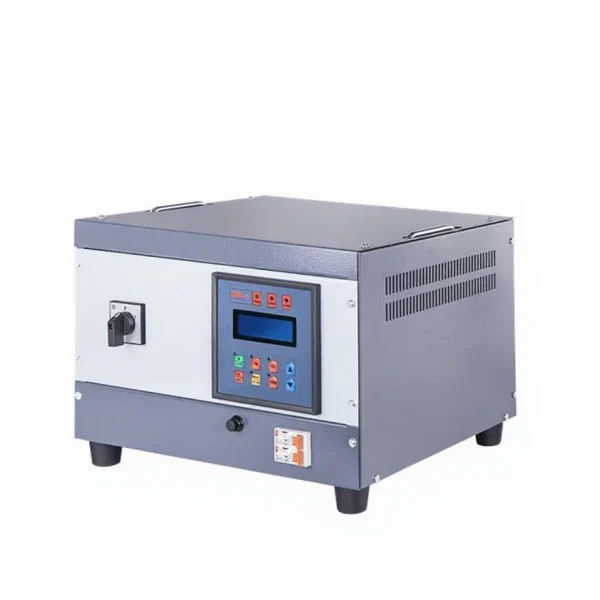
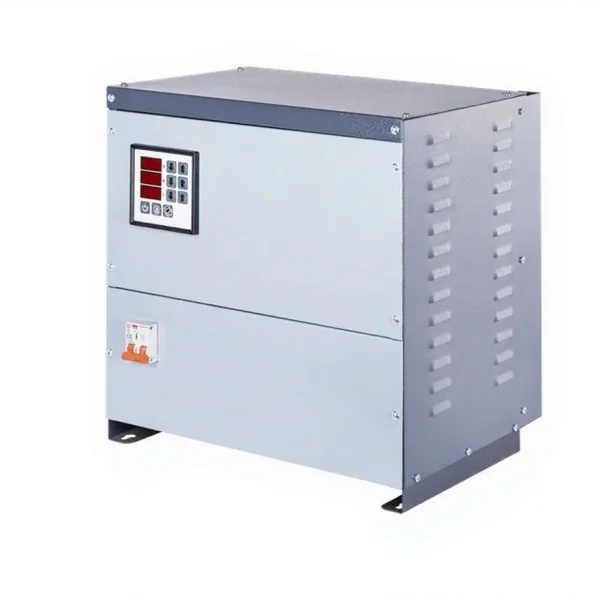
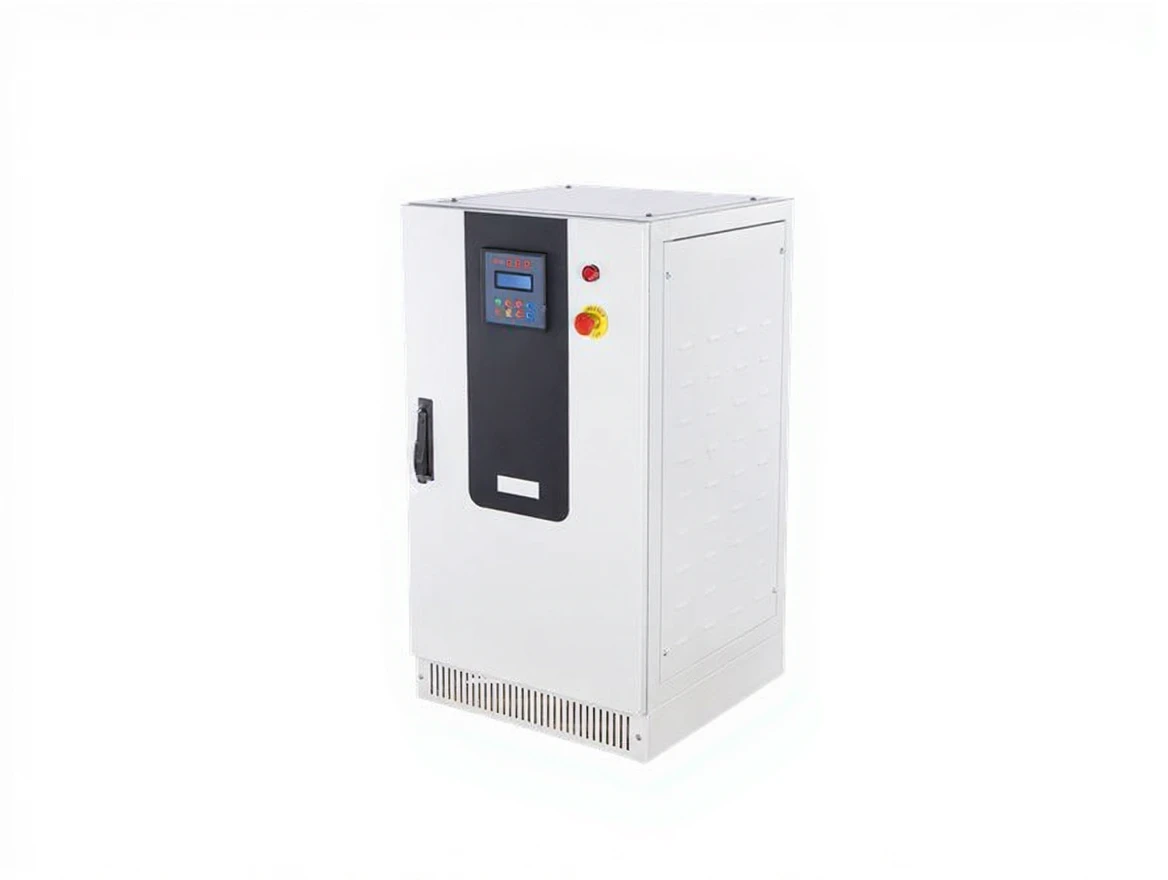
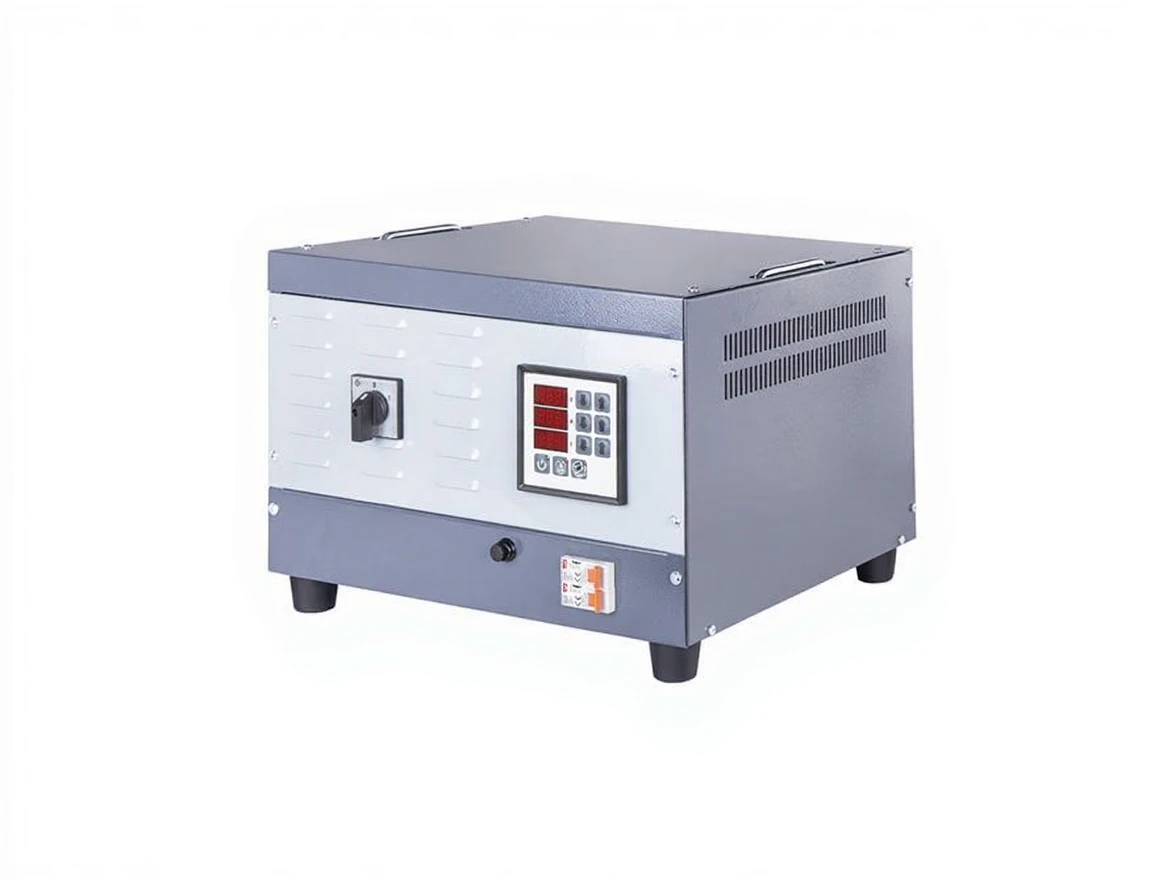
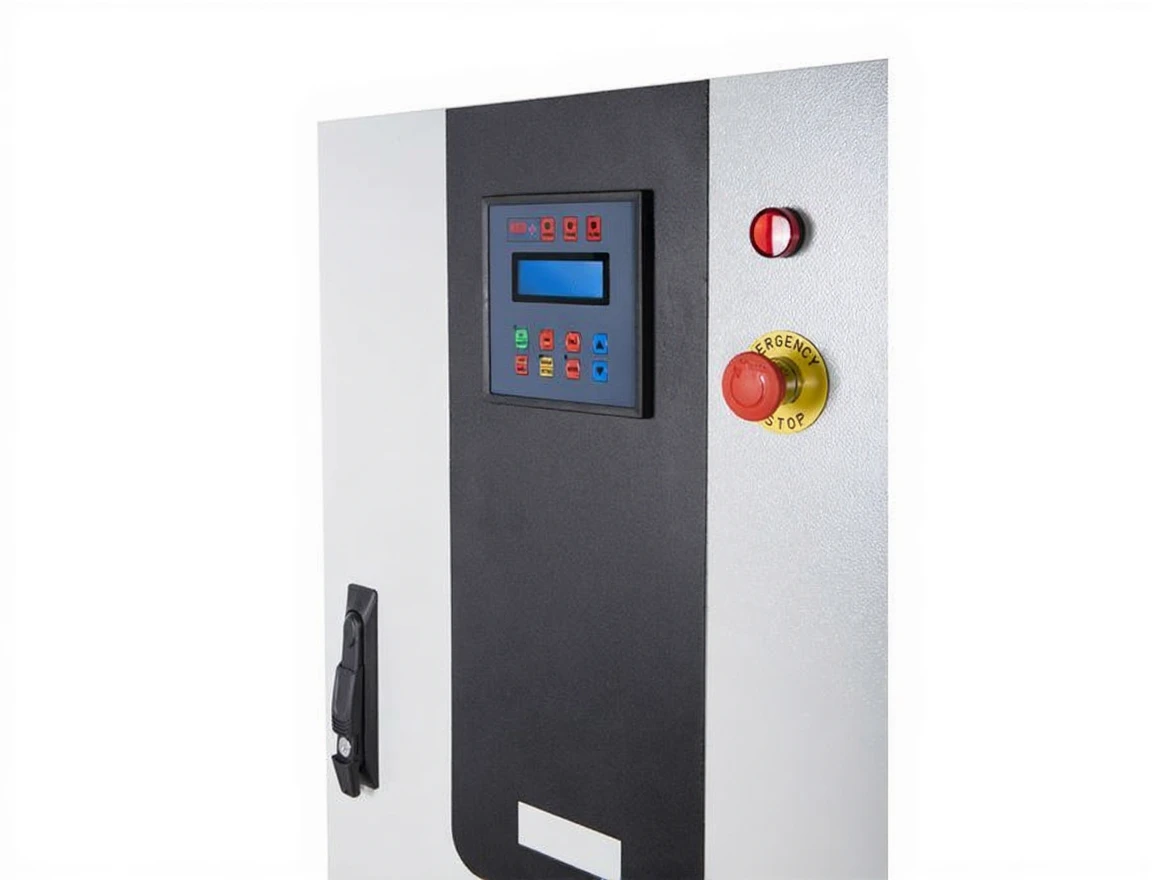
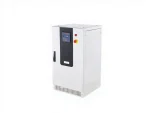
Battery Rectifier Systems are devices that generate direct current (DC) and provide the necessary energy for battery charging systems. These systems are critical for industrial applications and energy storage solutions. The battery rectifier system performs tasks such as charging batteries, energy storage, and providing uninterrupted power. These systems are generally designed to meet high-capacity requirements and can be customized to be compatible with different types of batteries.
Key Functions of Battery Rectifier Systems:
-
Battery Charging:
The main function of battery rectifier systems is to charge batteries by providing direct current (DC). This charging process ensures efficient operation of the batteries and energy storage. Proper battery charging extends the life of the batteries. -
Uninterruptible Power Supply (UPS):
Battery rectifier systems can function as part of uninterruptible power supply (UPS) systems. In case of power outage, the energy from the batteries kicks in and provides continuous power to the devices. -
Voltage and Current Control:
Rectifiers control the output voltage and current based on the characteristics and needs of the batteries. During charging, maintaining a certain voltage and current level is critical. Otherwise, the battery can be damaged or its performance can be reduced. -
Low and High Power Capacities:
Battery rectifier systems can be high-capacity or low-capacity based on different power requirements. High-capacity rectifiers are used for industrial facilities with high power demands. -
Protection Features:
Battery rectifier systems are equipped with protection circuits for situations like overcurrent, overvoltage, short circuit, etc. This ensures safe and efficient charging of the batteries.
Main Applications of Battery Rectifier Systems:
-
Telecommunications and Data Centers:
- Battery rectifier systems are used to provide uninterruptible power in the telecommunications sector. This ensures the secure operation of telecommunication lines and data centers.
- Emergency systems and backup power sources also require battery charging and energy management.
-
Power Distribution and Power Plants:
- Battery rectifiers are used in large energy infrastructure such as power plants, distribution systems, and power generation facilities. These systems help reduce energy losses and effectively charge the batteries.
- Additionally, battery charging is critical for backup power systems in these facilities.
-
Uninterruptible Power Supply (UPS) Systems:
- UPS systems rely on battery rectifier systems for proper battery charging. These systems are used in places like hospitals, banks, data centers where uninterrupted power is needed.
-
Defense Industry and Military Applications:
- Battery rectifier systems are used to meet the need for secure power management and long-term energy storage in military systems.
- Backup power supply is also required for radar systems, command control centers and other critical infrastructures.
-
Renewable Energy Systems:
- Solar energy and wind energy systems require battery rectifier systems to store the generated energy in batteries. This energy is stored for use during night or periods of low production.
-
Electric Transportation Vehicles:
- Electric transportation vehicles (e.g., electric forklifts, transportation vehicles) also require battery rectifier systems. These vehicles use batteries to store electrical energy and rectifiers for charging operations.
-
Oil and Gas Industry:
- In oil and gas fields, battery systems are often used to ensure power continuity in remote areas. Battery rectifier systems are needed to properly charge these batteries.
Features of Battery Rectifier Systems:
-
High Efficiency:
Battery rectifier systems provide high efficiency with low energy losses. This is important to provide energy savings and reduce operational costs. -
Modular Design:
Many battery rectifier systems are designed with a modular structure for easy expansion as the capacity requirement grows. -
High Power Capacity:
Battery rectifier systems with high power capacity are available for industrial applications. These groups are suitable for large energy storage systems and uninterruptible power sources. -
Long Life and Reliability:
Battery rectifier systems are designed for long-term use, durable and reliable devices. This ensures uninterrupted service in applications requiring continuous power. -
Low Maintenance Requirements:
Battery rectifiers are typically designed with low maintenance needs. This provides convenience to the user during long-term operation. -
Protection and Safety:
Battery rectifier systems come with various safety features for situations like overvoltage, overcurrent, short circuit, etc. These features ensure the system operates safely. -
Digital Monitoring and Control:
Modern battery rectifier systems can be equipped with digital displays and remote monitoring features to monitor and control output current, voltage, and other parameters.
Advantages of Battery Rectifier Systems:
- Providing Uninterrupted Power: Ensures your devices operate without experiencing loss of power during energy outages.
- Efficient Energy Usage: Increases efficiency by minimizing energy losses.
- High Safety: Equipped with safety measures against dangers like overcurrent and short circuit.
- Long-Term Use: Offers high durability and long-lasting use.
- Adaptation to Various Applications: Customizable for use in different industries and applications.
In Conclusion:
Battery Rectifier Systems are of critical importance in various sectors for providing uninterrupted power, managing battery charging, and offering energy storage solutions. These groups provide reliable energy management for industrial facilities, telecommunication infrastructures, power plants, defense systems, and many other applications.
Related products