






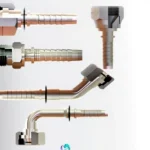
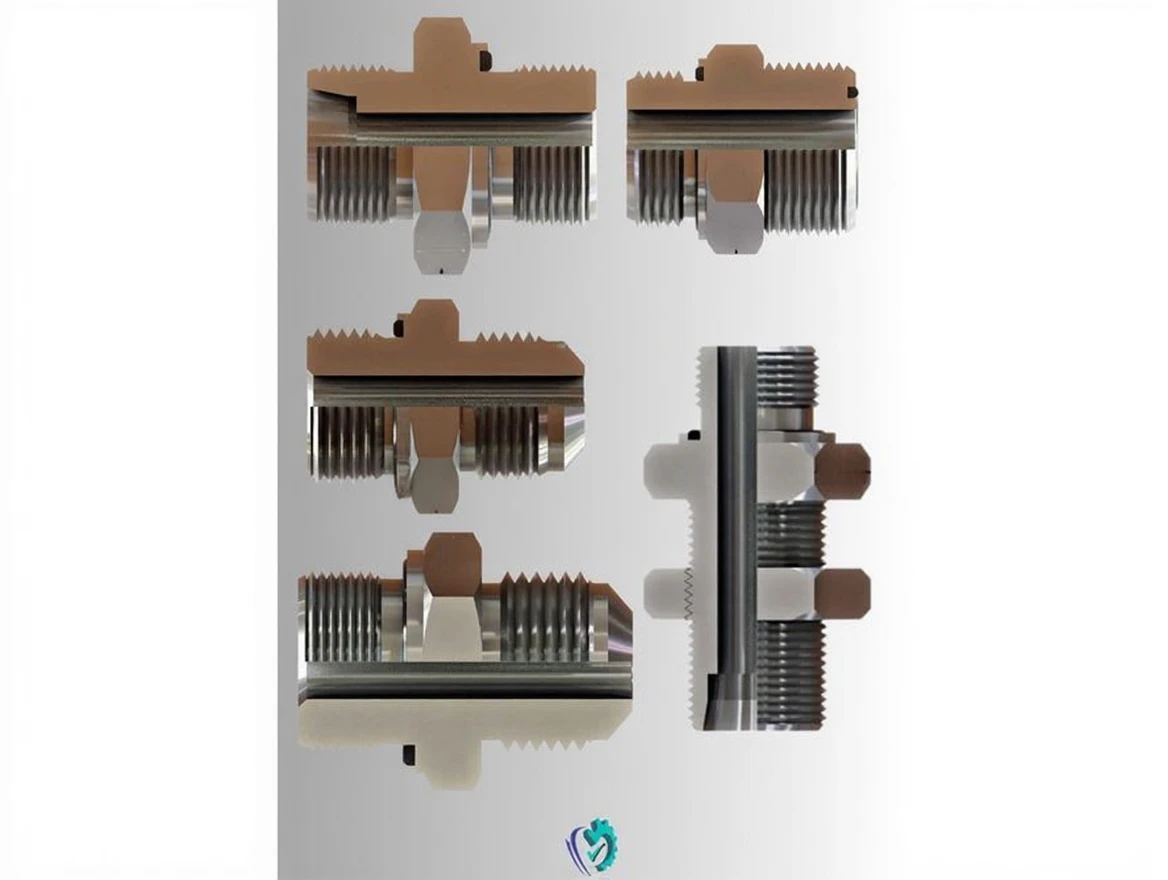
Düz Rakor İmalatı
| Brand | Gizem Mühendislik |
|---|---|
| Model Type |
G-FMP-008 |
Metric Elbows and T Connectors
A connecting element used to change direction in a pipeline. An elbow that can be installed on metric threaded pipes, usually changes the direction of the pipe with angles such as 90° or 45°. These elements provide flexibility in pipeline systems and maintain the order of pipe lines.
Features:
-
Metric Thread Connection: Metric elbows are compatible with metric threaded (in mm) pipes. This generally provides a connection with female and male threaded pipes. These connections are very durable and provide leak-tightness.
-
Directional Change: Metric elbows generally change direction at angles like 90 degrees or 45 degrees. This allows shaping the pipeline and changing the direction.
-
Material Options: Metric elbows can be produced from stainless steel, steel, aluminum, copper, PVC, and various other materials. The material is selected based on usage conditions and the type of liquid or gas being transported.
-
Size Options: Metric elbows can be produced in different sizes and thread types. These sizes generally start from 6mm and can go up to 100mm.
Areas of Usage:
-
Plumbing Systems: Used in water and sewer systems. Especially preferred in domestic installations when the direction of the pipe needs to be changed.
-
Industrial Applications: Used in industrial pipeline systems transporting oil, gas, chemicals, and other liquids.
-
Gas Pipelines: Metric elbows are widely used in gas pipelines, providing secure connections and resistance to high pressure.
Types:
-
90° Metric Elbow: Changes the pipe line at a right angle. Mostly used in tight spaces and areas where the direction needs to be changed.
-
45° Metric Elbow: Changes the pipe line at a lesser angle and is generally preferred in wider spaces.
2. Metric T Connector
Metric T Connector is an element that provides a three-way connection to the pipeline. The T connector is used to add two side pipes to a main pipeline, and this connection is in the shape of a T. This element is used to branch in pipeline systems and merge two different flows at the same point.
Features:
-
Metric Thread Connection: Metric T connectors are compatible with metric threaded pipes and provide threaded connections. This allows assembly to be done safely.
-
Three-Way Connection: Metric T connectors create a T shape by connecting two side pipes to a main pipe. This is used to direct the liquid or gas from one pipe to another.
-
Material Options: Metric T connectors are generally produced from stainless steel, steel, aluminum, PVC, or copper.
-
Size Options: Metric T connectors are also produced in different sizes. The selection of the appropriate size of T connector is made according to the requirements of the application.
Areas of Usage:
-
Water Installations: Used when changing direction or adding additional pipes to the water pipeline.
-
Industrial Systems: Used in high-pressure and chemical-carrying pipeline systems such as chemical systems, oil, and gas transmission lines.
-
Gas Distribution: It is used in gas pipelines to direct the gas flow.
Types:
-
Straight Metric T Connector: Ensures the connection of pipeline in the same direction.
-
Slanted Metric T Connector: One pipe is connected at an angle compared to the others. This type of connection is usually used in cases requiring a more flexible arrangement.
Differences in the Use of Metric Elbows and T Connectors:
-
Functional Differences:
-
Metric Elbow: Used to change the direction of the pipe line. Preferred when changing the pipe line at a corner point or at a certain angle.
-
Metric T Connector: Used to add a new branch to the pipeline. It transforms a pipe line into a three-way connection.
-
-
Areas of Usage:
-
Metric Elbow: Used to change direction in systems such as plumbing systems, industrial pipeline systems, and gas pipelines.
-
Metric T Connector: Performs the function of branching (adding a new pipeline) in systems such as plumbing systems, industrial pipeline systems, and gas pipelines.
-
-
Type of Connection:
-
Metric Elbow: Generally provides a one-way connection between two pipes.
-
Metric T Connector: Joins three different pipes and provides a three-way connection.
-
Related products
Paslanmaz Çelik Alüminyum Boru ve Flex Kaynak Hizmeti
In stock
| Brand | Merer Makina |
|---|---|
| Model Type |
M-FK-004 |