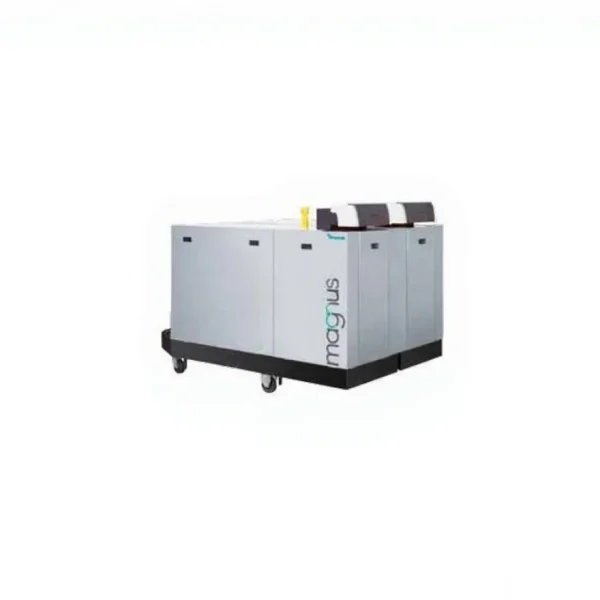




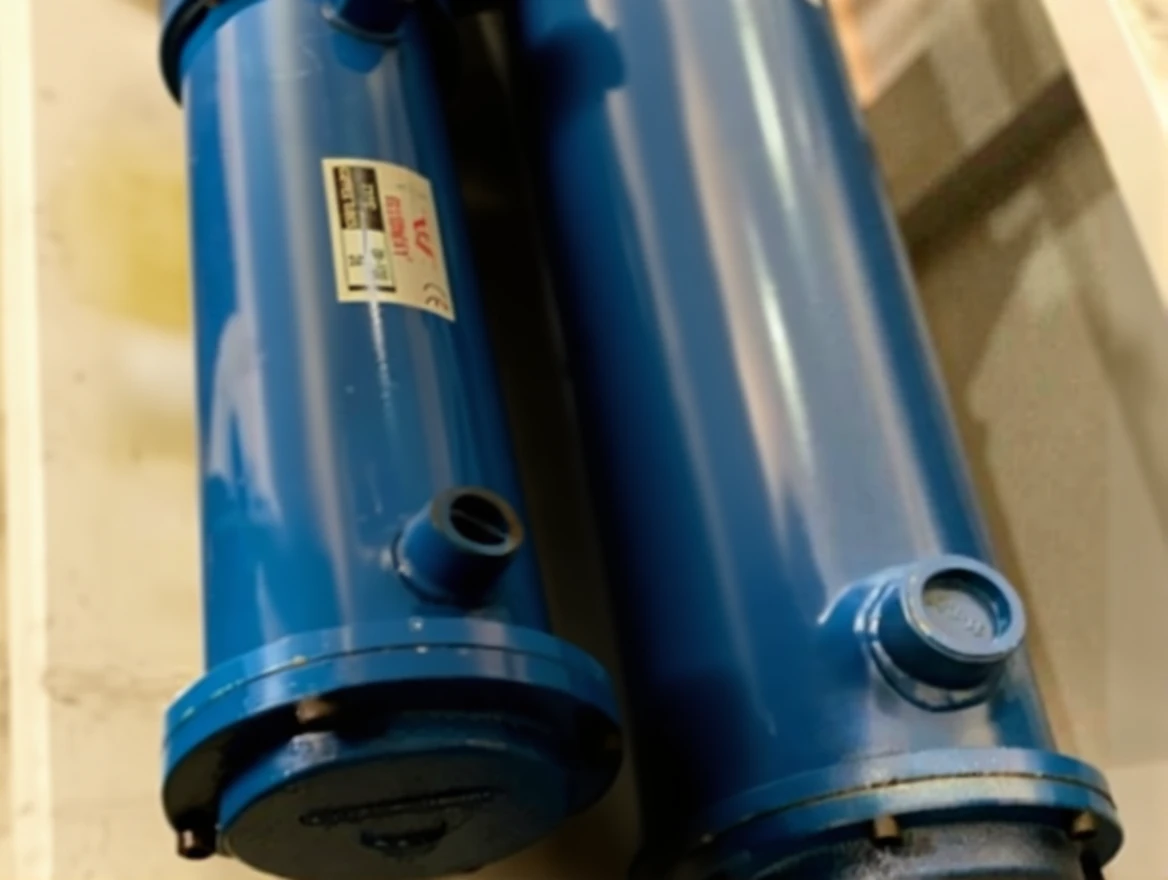
Liquid Heat Exchanger
| Brand | Almet Makina |
|---|---|
| Model Type |
A-ESJ-001 |
Description
Almet Machine Liquid Heat Exchanger
The primary function of these elements is to ensure the seamless transfer of heat from one fluid to another. Heat transfer can be achieved directly or indirectly between these fluids, classified as hot and cold fluids.
Although exchangers vary in type, almost all exchangers are based on the same principles of operation. The heat possessed by the fluid with a high temperature is first collected in an area called the heat transfer surface. Then, the collected heat is transferred to the secondary fluid that comes into contact with the other surface of the plate. Through this cycle, while one of the fluids gains heat, meaning its temperature value increases, the other fluid loses heat, meaning it is cooled. The heat transfer occurring within exchangers can take place in 3 different ways. The methods of heat transfer can be listed as follows;
Conduction
Convection
Radiation
Convection
Radiation
What Does an Exchanger Do?
In a heat exchanger or exchanger, fluids that should not come into contact with each other are separated by a solid wall. Through seals, which are one of the important components of the exchanger, the mixing of the fluids that come into contact with the two different sides of the surface where heat transfer is realized is prevented. However, depending on the need, it may be possible for fluids to come into contact in some special types of exchangers.
Related products
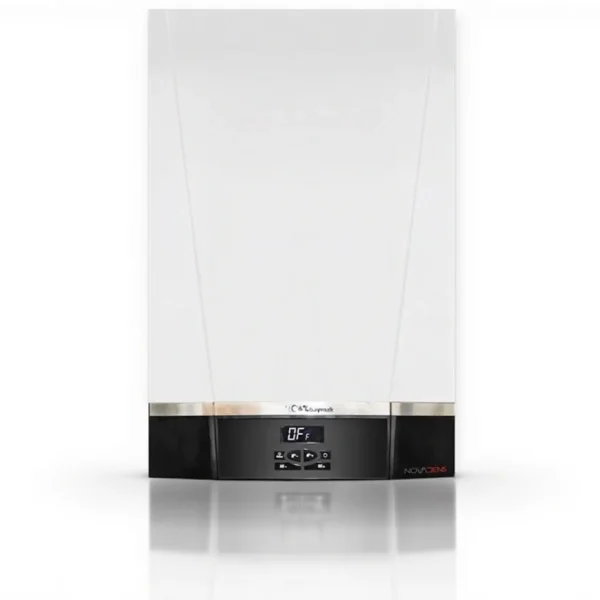
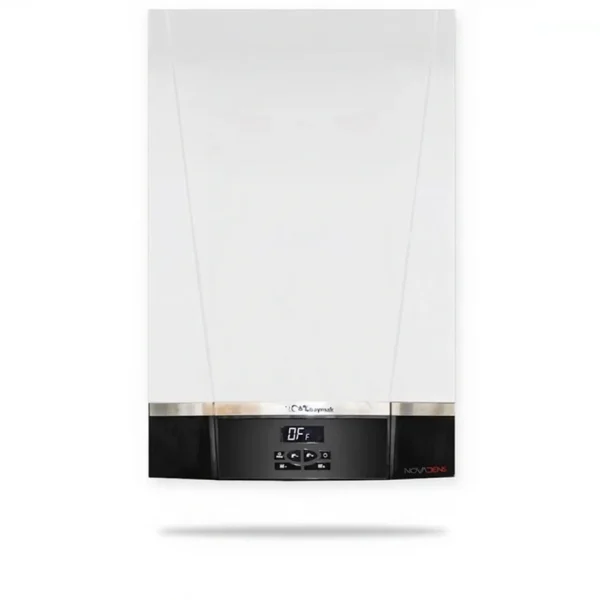
Baymak & Brötje Heating Novadens 24 (24 Kw) Hermetic Condensing Combi
In stock
| Brand | Baymak & Brötje Heizung |
|---|---|
| Model Type |
Novadens 24 |
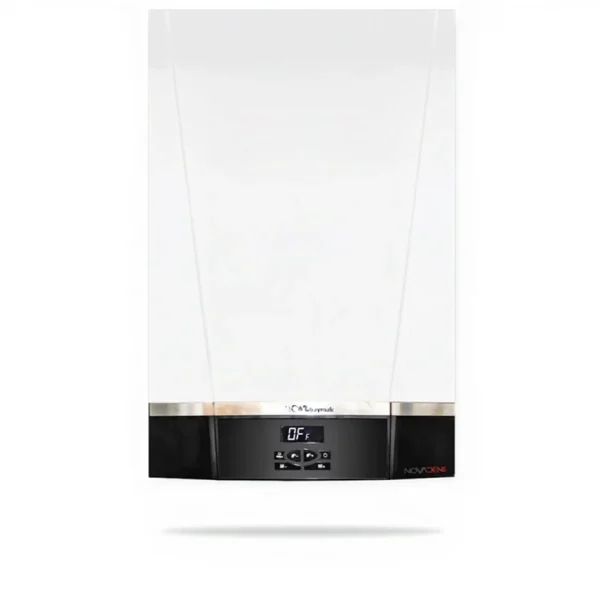
Baymak & Brötje Heating NOVADENS 45 (45 KW) Hermetic Condensing Combi
In stock
| Brand | Baymak & Brötje Heizung |
|---|---|
| Model Type |
Novadens 45 |

Baymak & Brötje Heizung Novadens Extra 28 (28 Kw) Hermetic Condensing Combi Boiler
In stock
| Brand | Baymak & Brötje Heizung |
|---|---|
| Model Type |
Novadens Extra 28 |