


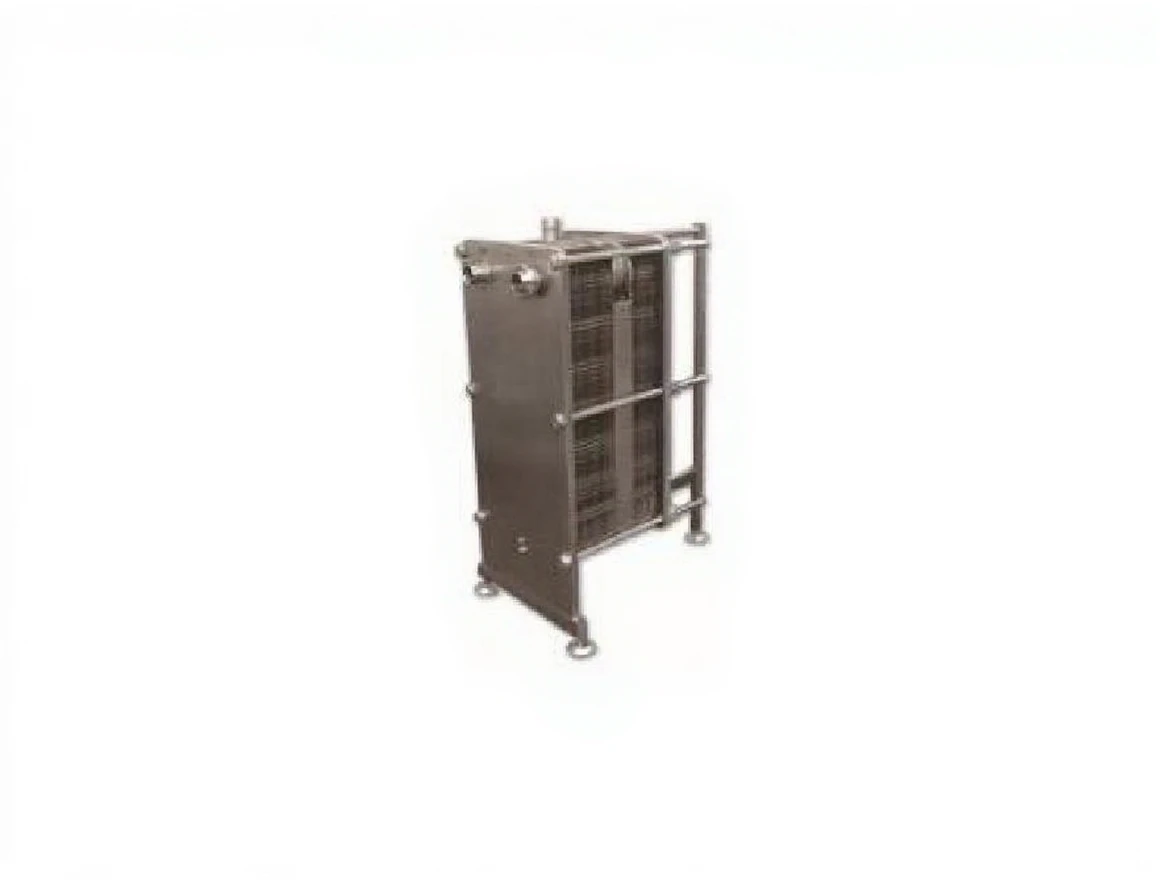
Plate Heat Exchanger
| Brand | Orçan Makina |
|---|---|
| Model Type |
O-PE-001 |
Plate Heat Exchanger
These are equipment that separates two fluids with different temperatures using thin metal plates and facilitates heat transfer through these plates. These systems, which have a wide range of applications from industrial facilities to heating-cooling systems, are designed to provide high efficiency and energy savings.
Superior Heat Transfer Efficiency
The biggest advantage of plate exchangers, compared to other heat exchanger systems, is their high heat transfer efficiency. The main reasons for this are:
-
Thin Plate Structure – The heat transfer surfaces are thinner compared to other material alternatives, which allows them to conduct heat more quickly and effectively.
-
Minimum Heat Loss – Thanks to the thin fluid channels between the plates, heat losses are minimized, thus providing energy savings.
System Protection & Long Life
Plate exchangers not only provide efficient heat transfer but also help the system operate more healthily:
-
Prevents Sludge and Dirt Accumulation – By reducing scaling, sludge, and dirt accumulation that may occur over time, it prevents system blockage.
-
Pressure Resistant Structure – Protects the system under excessive pressure conditions, ensuring safe operation.
Versatile Applications
Plate exchangers can be used for heat transfer, temperature control, and system protection in different sectors:
-
Heating Systems – Regulates heat distribution in buildings, central heating systems, and boiler rooms.
-
Cooling Systems – Provides effective heat exchange in industrial cooling applications, chiller systems, and air conditioning plants.
-
Circuit Separator & Pressure Breaker – Supports the safe operation of the system by balancing pressure differences between two different systems.
Plate exchangers have become an indispensable component in the industry and plumbing systems with high heat transfer efficiency, long-lasting use, and system protection advantages.
Related products