


Ters Rakor
| Brand | Gizem Mühendislik |
|---|---|
| Model Type |
G-FMP-004 |
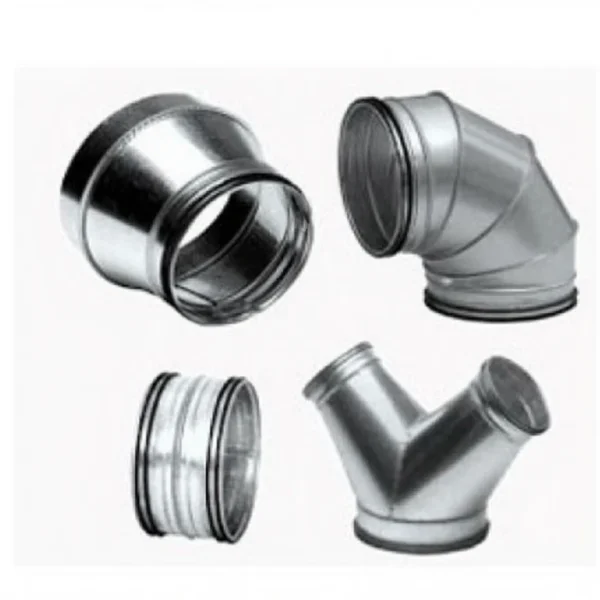
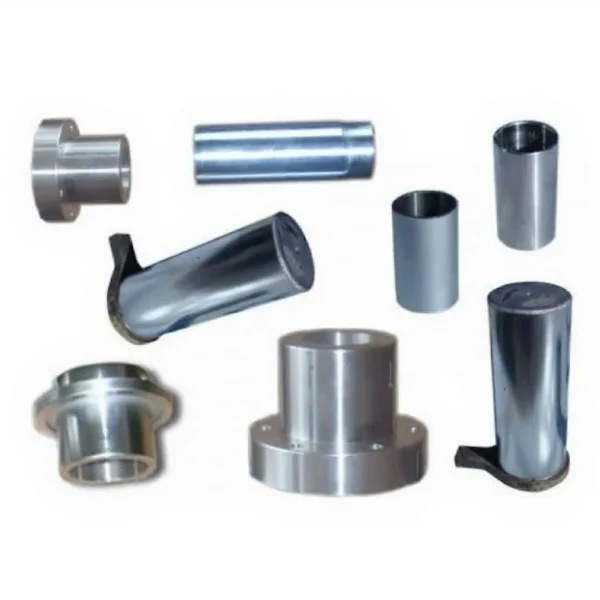
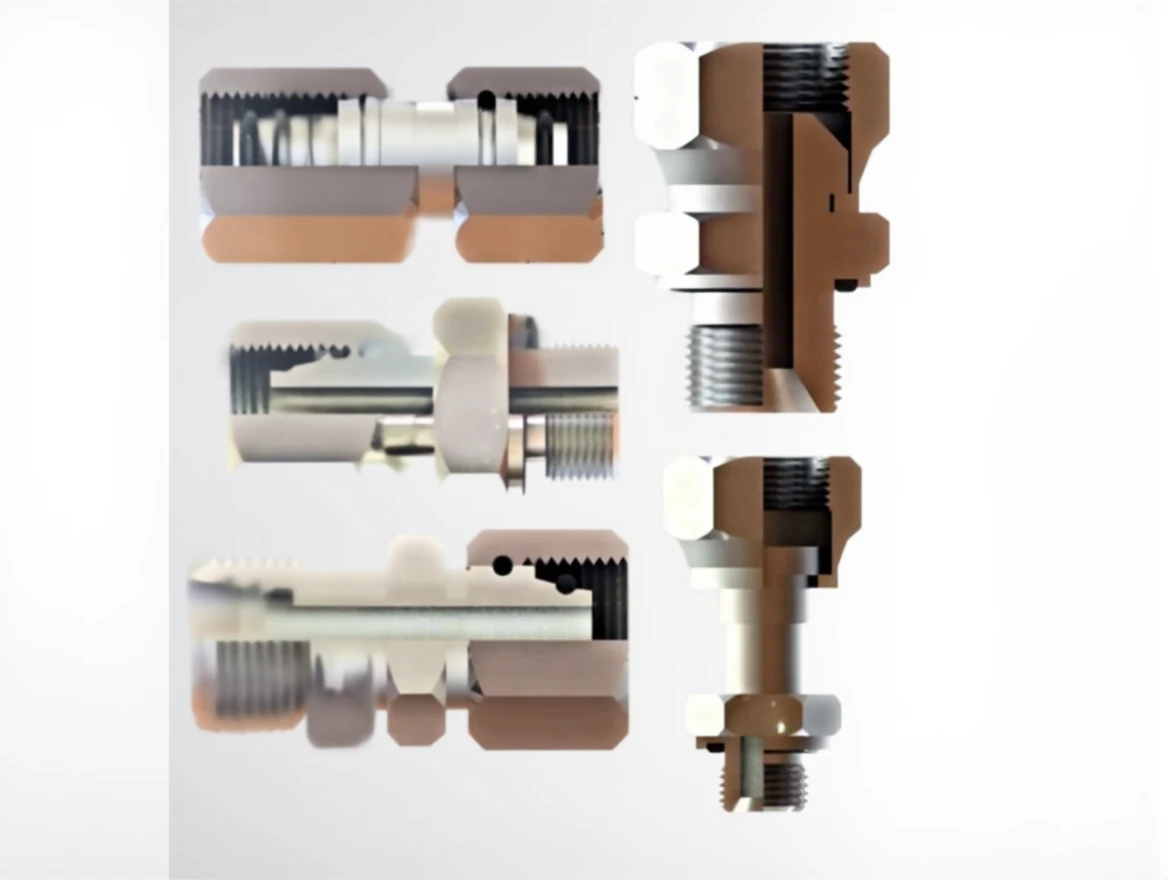
Metric Elbows and Reverse Couplings
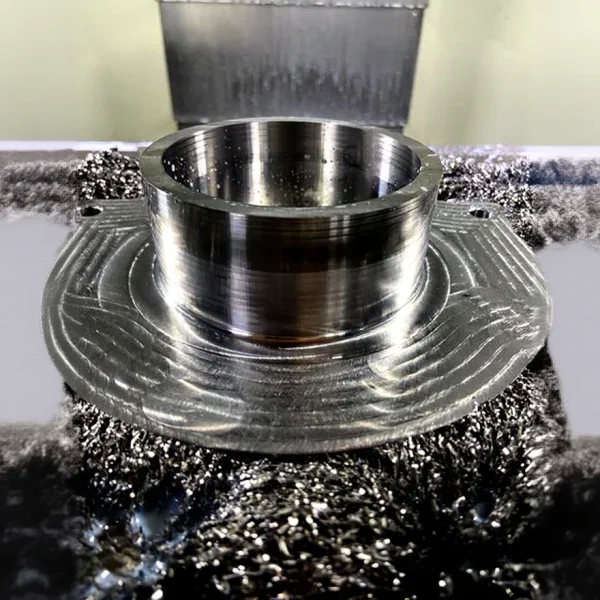
Reverse coupling is a threaded connection element used to connect pipes in sanitary installations, industry, gas, and water pipe lines. As the name suggests, reverse couplings are typically used to change the direction of a connection or to ensure that the threaded structure is reversed when joining pipes. These elements are quite important to create strong and secure connections in pipe systems.
Features of Reverse Couplings
-
Threaded Connection: Reverse couplings work with threaded connections. Typically, one end has female threads, while the other end has male threads. This allows the pipe ends to be screwed together for a connection.
-
Direction Change: Reverse couplings are used to change the direction of the connected pipe. By connecting a pipe in one direction with the opposite direction, changes in direction within the system are achieved.
-
Material Selection: Reverse couplings are usually made of durable materials such as stainless steel, galvanized steel, copper, plastic. The correct material selection should be made according to the area and environmental conditions where they will be used.
-
Various Sizes and Types: Reverse couplings are produced in different sizes and types. Various models are available depending on the diameter of the pipe to be connected and the type of installation used. For example, there may be internal thread (female) and external thread (male) versions.
Areas of Use of Reverse Couplings
-
Sanitary Installation Systems: Reverse couplings are used to change the direction of pipes, especially at points where the pipeline changes direction in drinking water and wastewater installations in homes and businesses. They are preferred at points where pipelines change direction.
-
Industry and Industrial Applications: Reverse couplings are used to change directions in industrial pipelines, machine parts, petrochemical plants, and gas pipelines.
-
Gas and Oil Installations: Reverse couplings play an important role in providing secure connections in gas transmission lines and pipelines carrying certain chemical substances.
-
Water Supply Systems: Reverse couplings are used at points where the direction of water flow needs to be changed, especially in cases where water needs to be transferred from one point to another.
Advantages of Using Reverse Couplings
-
Easy Installation: Reverse couplings allow easy assembly with threaded connections. The connection between pipes can be quickly and securely installed.
-
Durability: Reverse couplings made of various materials are resistant to high pressure and harsh environmental conditions. This ensures the longevity of pipe systems.
-
Direction Change Flexibility: Reverse couplings enable quick changes in the direction of pipes. This is a significant advantage when there is a need to change the layout of installations.
-
Leak-proofing: Well-designed and quality reverse couplings provide leakage prevention in pipe lines, thus preventing water or gas leaks.
Things to Consider When Choosing Reverse Couplings
-
Material Compatibility: It is very important that the material of the reverse coupling is compatible with your pipes. Otherwise, the connection may be weak and problems may arise over time.
-
Pipe Diameter: When selecting a reverse coupling, be sure to choose a model that is compatible with the diameter of the pipe you will use. Incompatibility in diameter can lead to leaks during connection.
-
Operating Pressure: Consider the operating pressure in your pipe system and ensure that the reverse coupling is pressure resistant. Reverse couplings used in high-pressure systems may need to be extra durable.
Related products